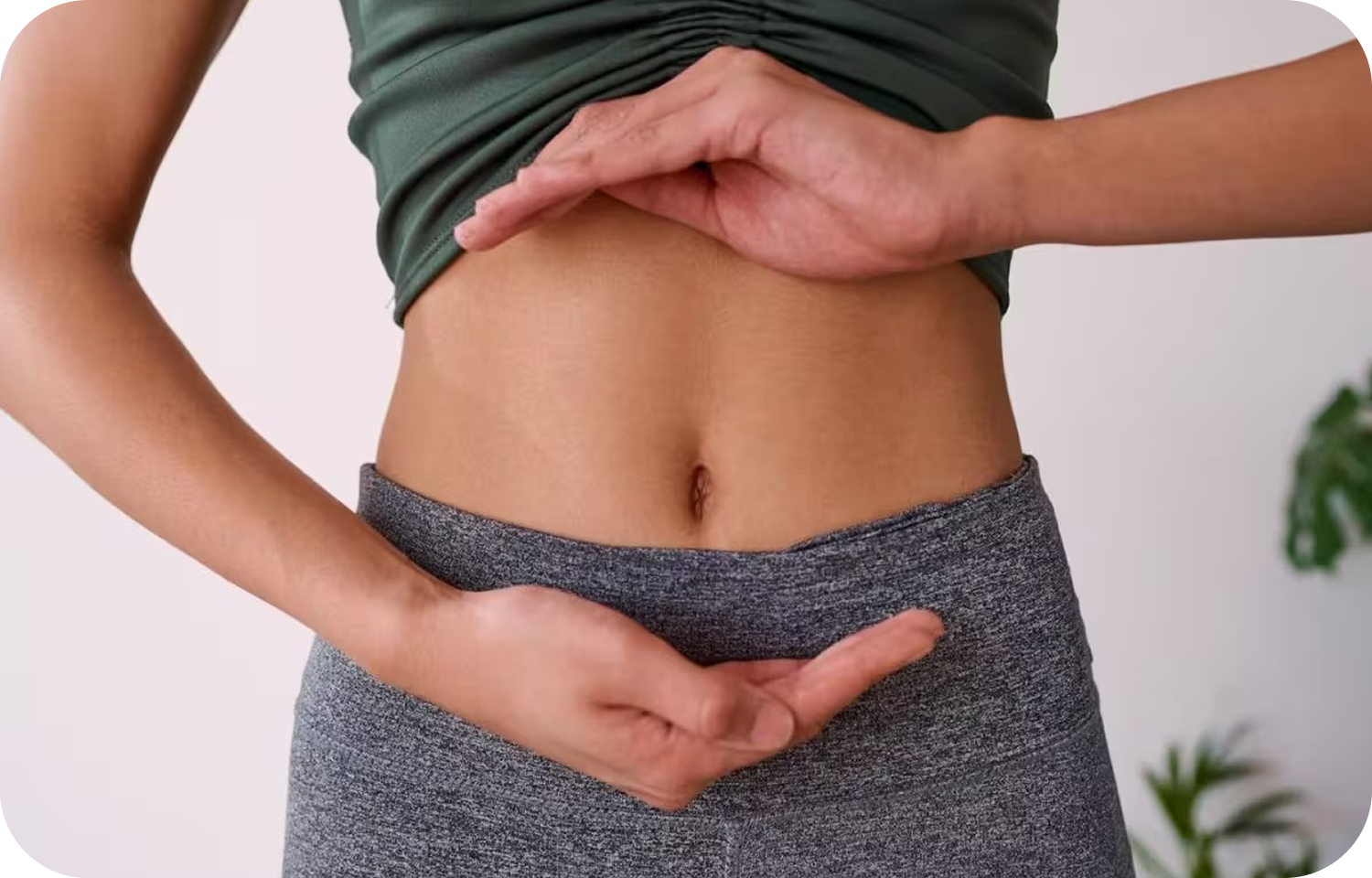






Understanding a Leaky Gut
Have you ever heard the term ‘leaky gut’—a buzzword in wellness circles—and wondered if you have it?
What is a Leaky Gut?
A leaky gut, or ‘increased intestinal permeability 3, occurs when the tight junctions in your intestinal walls become more porous than they should be.1
Your gut is basically a long tube that goes from your mouth to your anus, and it has two very important jobs to do:
- It allows the good stuff, such as vitamins and nutrients from your food, to pass through into your bloodstream.
- It keeps the bad stuff, such as bacteria and chemicals, confined within the tube so that you can poop them out and get rid of them.
- If your intestinal walls have holes, bad stuff leaks into your bloodstream. This is not supposed to happen and can lead to a range of health problems


Why is a Leaky Gut bad?
A leaky gut begins without you even knowing it. Slowly and consistently, your gut walls get weakened. When you do start noticing that things are off, symptoms usually start in the digestive system. After some time, leaky gut issues extend to other areas of the body, including ongoing immune activation and persistent inflammation.
A leaky gut also has a common underlying role in the development of numerous serious medical conditions! 2, 3
If you're experiencing a leaky gut, you may notice several common issues, including:
- Digestive problems like bloating, gas, chronic diarrhea, and/or constipation. After eating, you may feel uncomfortably bloated and gassy, making it difficult to focus on tasks.
- Food sensitivities. You may notice that you often feel tired, hot, itchy, have a faster heart rate, have brain fog, have a headache, or just feel ‘off’ after eating.
- Skin issues such as acne or eczema. You struggle with persistent breakouts despite trying various skincare routines.
- Constant fatigue or low energy. Even after a full night's sleep, you yawn throughout the day and struggle to stay awake.
- Headaches, brain fog, or difficulty concentrating. You lose focus while trying to work, and a dull ache may spread across your forehead.
Joint discomfort or muscle aches. You wake up with stiff, achy joints in the morning, making it challenging to start your day.
- Autoimmune conditions: A leaky gut allows undigested proteins to pass from the gut into the bloodstream. This triggers an immune response, ultimately resulting in autoimmune conditions such as multiple sclerosis, rheumatoid arthritis, thyroid disease, colitis, lupus, and blood sugar issues.4, 5, 6
- Mood changes, including feeling low or restless. You may often feel irritable and agitated for no apparent reason.
- Difficulty losing weight: A leaky gut triggers an inflammatory immune response and can lead to insulin resistance. Insulin resistance makes it harder for cells to take up sugar, resulting in increased fat storage, especially in the liver.7
- Environmental sensitivities: Occur when the body becomes excessively responsive to substances like mold, pollen, grass, dust, or animal dander. The immune system may overreact to these typically harmless day-to-day elements without a robust gut barrier.
- Nutritional Deficiencies: Your body struggles to absorb nutrients effectively, resulting in deficiencies that are challenging to address, even with the help of supplements.
- Weight loss (in some cases): While a leaky gut is typically associated with weight gain, it can potentially lead to weight loss in some cases. Weight loss may occur due to poor absorption of nutrients and abdominal discomfort, impacting appetite and food intake.
Common Symptoms of a Leaky Gut
- Digestive problems
- Food sensitivities
- Skin issues
- Constant fatigue or low energy
- Headaches, brain fog difficulty concentrating
- Joint discomfort or muscle aches
- Autoimmune conditions
- Mood changes, feeling low or restless
- Difficulty losing weight
- Environmental sensitivities
- Nutritional deficiencies
- Weight loss (in some cases)

It’s important to note that other health conditions can also cause these symptoms. If you suspect you have a leaky gut, talk to your healthcare professional, who can help you figure out what's going on and recommend ways to treat it.
Before that, try learning as much as possible about a leaky gut. This way, you'll feel more confident and informed during your visit, knowing which questions to ask and what goals to set for improving your health!
What Causes Leaky Gut?
As you now know, a leaky gut can greatly impact your health. But what causes it?
Let's begin by introducing you to a protein called Zonulin. Zonulin plays a crucial role in maintaining a healthy gut.
Zonulin’s Role in Controlling Intestinal Permeability
Your intestinal wall is made up of cells lined up next to each other in a row. These cells are connected by special proteins known as ‘tight-junction’ proteins. Tight-junction proteins function as gates that can be opened or closed.
These barriers are designed to be a bit leaky. They must be selectively permeable to allow some compounds, such as nutrients, to pass through the bloodstream. However, for the most part, they act to keep potentially harmful compounds and food from passing deeper into our bodies.
Zonulin is a gut protein that controls whether these gates should be open or closed.

Factors that Cause Leaky Gut
-

Stimulate zonulin release
-
Damage your intestinal lining
-
Cause inflammation

1. Environmental Sensitivities
Histamine causes disruption of the cell junctions in the gut lining, leading to intestinal permeability.10 High histamine can come from:
- Environmental allergens
- Food sensitivities
- High histamine foods and/or drinks
- Dirty histamine genes Mental and physical stress
- Hormonal imbalances
- Nutrient deficiencies
- Misbehaving mast cells
- Gut microbes that either produce histamine or stimulate histamine release
- Diamine Oxidase (DAO) is the enzyme that breaks down histamine in the gut. Suboptimal DAO activity will cause histamine levels to remain high.
Our free Histamine Intolerance Guide will show you how to start addressing your histamine issues.
2. Gut Dysbiosis
Gut dysbiosis occurs when harmful bacteria outnumber beneficial ones. Even beneficial gut bacteria that are typically found in the gut (commensal species) can become dysbiotic (a change from a pattern associated with health to one of disease) when overgrown.11
This is often caused by commonly prescribed medications such as antibiotics, PPIs, and NSAIDs, but also by other factors such as gallbladder dysfunction, low stomach acid, diet, and lifestyle factors, such as stress.
Infections: Organisms that are not part of the commensal microbiome are pathogenic and can cause a leaky gut. These include organisms such as Salmonella, Giardia, Clostridium difficile, Citrobacter, and Klebsiella species.
Lipopolysaccharides (LPS): Many pathogenic species are LPS-producing species. LPS is an inflammatory bacterial endotoxin that can cause gut damage and leaky gut.2
Candida overgrowth: Candida is a fungal organism that overgrows when given the opportunity. This is typically during lowered immune function or after antibiotic use. Ongoing stress can suppress typical immune responses making you more vulnerable. Once overgrown, Candida organisms can damage and break down the walls of the intestine and contribute to changes in the gut microbiome that are conducive to a leaky gut.12
Undergrowth of butyrate-producing species in the gut: Butyrate is a short-chain fatty acid (SCFA) produced by certain colonic bacteria such as Faecalibacterium prausnitzii and Roseburia species.13
SCFAs are metabolites produced when colonic bacteria ferment soluble fibers in undigested food components. SCFAs serve as food for bacteria and intestinal cells.
Bifidobacteria produce a different short-chain fatty acid called acetate that feeds butyrate-producing species. Butyrate provides energy to intestinal cells and protects the intestinal barrier against inflammation.14

3. Diet
Many substances used in food can contribute to a leaky gut. Additionally, food intolerances and sensitivities are both caused by and can contribute to a leaky gut. Gluten: A protein found in wheat, barley, and rye. Gliadin, a component of gluten, has been shown to be a powerful trigger for zonulin release.
Gluten can be particularly problematic if you have a gluten sensitivity or celiac disease. It can cause inflammation in your gut lining, leading to increased permeability. However, even if you don't have any formally diagnosed sensitivities, consuming large amounts of gluten might irritate your gut over time.
Dairy: There is some debate about whether dairy causes a leaky gut. Some researchers say it does15, while others say no direct link exists16. However, if the gut is already leaky, some milk proteins may trigger or exacerbate autoimmune conditions in some individuals. Some of the proteins in milk are structurally similar to certain human proteins. When undigested milk proteins enter the blood system, the immune system is triggered to generate antibodies to these proteins. This may lead to the immune system mistakenly attacking the body's tissues, thinking it is a foreign protein. This process is known as ‘molecular mimicry’.17, 18, 19
Sugar: Can negatively impact gut health, especially in excessive amounts. It can feed harmful bacteria in your gut, creating a gut microbiome imbalance that leads to inflammation and damage to the intestinal lining. Refined carbohydrates, Such as white bread and pasta. These foods are quickly converted to sugar in the body, potentially feeding harmful bacteria and causing inflammation in the gut.
Ultra-processed foods: These often contain artificial additives, preservatives, and unhealthy fats. The additives in processed food are designed to kill bacteria in food to make it last longer. Therefore, these same additives can also affect the bacteria in your gut.
Non-organic produce: Non-organic fruit and vegetables are sprayed with pesticides that are designed to poison insects. These same chemicals will ‘poison’ your friendly gut bacteria.
Non-organic meat: Animals raised by intensive farming methods are usually heavily dosed with antibiotics to prevent disease in cramped conditions. Antibiotics have also been found to increase weight gain and yield. Any antibiotics in the meat tissue may affect your gut microbiota.20
Soda and caffeine: These beverages can disrupt the gut's natural pH balance and are usually high in sugar or artificial sweeteners. These can increase gut inflammation and damage the intestinal lining.
Alcohol is particularly harmful and contributes to a leaky gut in a number of ways:
- Alcohol is high in histamine.
- Alcohol promotes candida overgrowth by suppressing your immune system and changing your microbiome.21
- When alcohol is broken down, a toxic byproduct called acetaldehyde is formed. Acetaldehyde can damage the tight junctions (gates) between your gut cells and make them more leaky.2
Your healthcare practitioner can help determine how these foods affect your gut. But take a deep breath and relax. Modifying your diet doesn't necessarily mean you'll have to give up the foods you love. It may just mean you must take a more thoughtful approach to your diet and practice moderation
4. Chemicals
Environmental chemical exposures and pesticides such as glyphosate (which acts like an antibiotic) can cause a leaky gut.
Herbicides and pesticides: Lifelong and low-dose exposures to herbicides and pesticides, such as glyphosate (found in RoundUp®), particularly through consuming non-organic diets, can lead to gut dysbiosis and leaky gut syndrome. Glyphosate does so by inhibiting the shikimate pathway in bacterial cells in your gut.23 24 The shikimate pathway is a metabolic pathway bacteria need to make nutrients such as folate and amino acids for their growth.
Radiation and medical procedure: X-rays, radiotherapy, and chemotherapy disrupt the gut barrier by reducing zonulin levels and the tight junction proteins that make up the gates.25 Chemotherapy, in particular, changes the gut microbiome, which favors a leaky gut.26
5. Stress
Persistent emotional stress is a significant cause of a leaky gut. It can do so in a number of ways, such as:
- Suppressing the immune system. This affects the gut microbiota negatively and promotes gut dysbiosis.
- Affecting histamine release. Compounds released when you are stressed stimulate more histamine to be released. Affecting histamine breakdown.27 Stress compounds take up valuable resources needed for histamine breakdown.
- Shifts the focus from ‘rest and digest’ to ‘fight or flight.’ The production of stomach acid is reduced. This means there will be reduced digestion of proteins such as gluten which can damage tight junctions. Lower stomach acid also reduces your body’s capacity to deal with pathogens and bacteria in food.28 Toxins from pathogens and bacteria weaken tight junctions.
6. Other
Collagen disruption: Caused by insufficient intake of vitamin C, copper, zinc, glycine, folate, and vitamin A. Additionally, genetics, stress, insulin resistance, diabetes, and chronic inflammation also can disrupt collagen. Collagen is important because it is a critical component of the intestinal lining.
Gut Conditions: IBS, ulcerative colitis, and Crohn’s also result in damage to the gut.
Suboptimal bile production: Bile is required for a healthy absorption of fat-soluble vitamins such as vitamins A, D, E, and K. Bile also has another important role: It helps to keep pathogenic bacteria in check and maintains a healthy, balanced microbiome.

Crucial nutrients for supporting a leaky gut†
| NUTRIENT | HOW IT HEALS THE GUT | WHERE ITS FOUND |
|---|---|---|
Zinc |
Aids in immune function and plays a crucial role in the body's normal maintenance and repair of the mucosal lining of the stomach and intestines.† |
Seafood, beef, pumpkin seeds, lentils, chickpeas. |
Glutamine |
Provides energy to intestinal cells, which supports a healthy inflammatory response, and encourages a healthy response to cellular stress.† |
Bone broth, fish, poultry, eggs. |
Vitamin A |
Enhances barrier function, supports mucosal immune response, regulates microbial species, and supports a healthy inflammatory response. 29† |
Foods derived from animals, including meats, eggs, fish, and dairy products. Vegetables such as pumpkin, carrots, sweet potatoes, red peppers, and spinach; are yellow, green, and red in color; and are rich in carotenoids. These compounds are precursors to vitamin A. |
Vitamin D |
Maintains barrier integrity, regulates immune system function, influences gut microbiota composition, and supports healthy inflammation levels.30† |
Regular sun exposure and ingesting enough magnesium and vitamin A are the best ways to always have enough vitamin D. Some food sources may be fatty fish like salmon, trout, mackerel, red meat, and liver. |
Omega-3 |
Enhances gut microbiota diversity and the production of beneficial SCFAs; supports healthy inflammation levels, healthy response to oxidative stress, and supports mucosal immune response.31† |
Deep sea fish (the smaller the fish, the better), grass-fed meat, and flaxseed oil. |
Collagen |
Contains essential amino acids such as proline and glycine, which are crucial for normal healing of the gut lining.† |
Bone broth, meats (especially skin, tendons, bones, ligaments), and fish. |
Fiber (soluble) Dissolves in water and forms a gel-like substance in the colon. |
Feeds beneficial gut bacteria, which generates beneficial substances called short-chain fatty acids, such as butyrate, which enhance the strength of gut barriers.14† |
Fruits, vegetables, legumes, grains, nuts and seeds, and slippery elm. |
Fiber (insoluble) Does not dissolve in water and adds bulk to the stool. |
Does not typically feed beneficial gut bacteria but supports healthy bowel motions, which reduces the amount of time available for potentially harmful bacteria to ferment undigested food and produce toxins.32 † |
Whole grains, wheat bran, nuts, seeds, beans, vegetables like potatoes, and slippery elm. |
Dirty Genes and Leaky Gut
‘Dirty genes’ are genes that may affect enzyme function and make them work slower. This leads to health issues. You can inherit dirty genes at birth, or their enzymes can become dirty due to factors like lifestyle choices and environmental influences.
The enzymes that, when dirty, can contribute to a leaky gut include:
| GENE | ASSOCIATED CONDITION | ROLE | CONNECTION TO GALBLADDER FUNCTION |
|---|---|---|---|
DAO |
Histamine intolerance |
Breaks down histamine in the gut. |
Excess histamine increases zonulin levels which results in a leaky gut. |
MTHFR |
Various, including histamine intolerance and impaired methylation. |
Converts dietary folate into methyl folate, contributing to methylation, which is linked to overall health and gut functionality. |
High homocysteine contributes to overall inflammation and metabolic issues that cause damage to the gut lining. |
HNMT |
Histamine intolerance |
Breaks down histamine throughout the body. |
Can lead to harmful high levels of histamine throughout the body. |
HLA- |
Celiac disease |
Associated with an immune response to gluten. |
Celiac disease can harm the lining of the intestines. |
ALDH2 and ALDH1B1 |
Causes DAO enzyme activity to slow down, resulting in histamine intolerance. It also results in aldehyde levels to accumulate. |
Associated with an immune response to gluten. |
Celiac disease can harm the lining of the intestines. |
PEMT |
Fatty liver, gallbladder dysfunction, estrogen dominance, and metabolic dysregulation |
Synthesises phosphatidylcholine (PC) needed for optimal cellular membrane integrity, bile flow, and metabolic health. |
Affects bile flow, leading to increased susceptibility to gut infections, SIBO, candida overgrowth, and gut lining damage. Affects liver function, the primary organ responsible for methylation processes.33 Poor estrogen metabolism can increase histamine levels, which damages the gut wall |
Lab Testing
While you don’t need to understand what these lab markers mean, knowing they are available is handy. If some of this is confusing to you now, it will make sense once you have read the Guide entirely.
Your healthcare practitioner might also ask for additional tests to find out if you have any other issues that could be contributing to a leaky gut, including:
| LAB MARKER | WHAT IT MEANS |
|---|---|
Zonulin
|
High levels are associated with leaky gut.9 High levels are found in conditions such as celiac disease. |
Lactulose-Mannitol
|
Lactulose and mannitol are sugars absorbed in the intestines. After drinking a liquid containing these sugars, your urine is tested to see how much ‘leaked’ from your intestines into your bloodstream. Lactulose is a larger molecule that shouldn’t pass through a healthy intestinal barrier. It should be low. Mannitol is a smaller molecule that is more easily absorbed. You would expect mannitol to show up. A high ratio of lactulose to mannitol indicates a leaky gut.34 |
Calprotectin
|
High levels are associated with intestinal inflammation and a leaky gut.35 |
Fecal Long-Chain Fatty Acids
|
Fecal long-chain fatty acids have to be absorbed in the gut through the intestinal lining.`triglycerides indicate fat malabsorption and problems with a leaky gut |
Microbiome testing
|
Imbalances in gut bacteria (gut dysbiosis), especially lipopolysaccharide (LPS) and histamine-producing bacteria are often associated with leaky gut. |
Lipopolysaccharides (LPS)
|
LPS is highly inflammatory and damages the gut lining.36 Histamine increases the leakiness of barriers such as the gut barrier. |
Your healthcare practitioner might also ask for additional tests to find out if you have any other issues that could be contributing to a leaky gut, including:
| LAB MARKER | WHAT IT MEANS |
|---|---|
Hydrogen and methane breath test |
Your breath can be used to investigate for SIBO and carbohydrate malabsorption, which can greatly contribute to a leaky gut. Its non-invasive nature makes it an accessible option for those experiencing digestive issues. |
Food allergies or sensitivities |
Identifies specific food allergies or sensitivities that may contribute to inflammation and gut permeability. |
Biopsy analysis |
During an endoscopy, small pieces of tissue can be collected to help doctors better understand and diagnose digestive system issues.This helps them determine the exact problem and rule out more serious conditions. |
Healing Your Leaky Gut
You may think you must take a supplement immediately to fix a leaky gut. The first thing you need to do is actually stop doing things. Here’s the ‘stop-doing list’ that reduces damage to your gut:
Stop Doing List
-

Stop eating gluten-rich foods while healing your gut,
especially if you are sensitive to it. Gluten is the protein found in wheat (durum, semolina, spelt, farro, kamut), rye, barley, and triticale. Oats are gluten-free but can contain gluten due to cross-contamination, which concerns individuals with celiac disease.37 Gluten can trigger the release of zonulin and make the gut more permeable, especially in those who are more genetically susceptible.15
-
Moderate cow dairy while healing your gut
especially if you are sensitive to it. Cow dairy (cheese, yogurt, milk, whey protein) contains proteins that can increase immune activation and contribute to autoimmune conditions, especially if you already have a leaky gut.
-
Minimize inflammatory foods
such as ultra-processed foods, commercial baked goods, refined carbohydrates (white bread, pasta), refined sugars, and deep-fried foods.38 These all increase gut inflammation, which may promote a gut immune system that is more one of ‘intolerance’ than ‘tolerance.’ This increases the risk of too much histamine in the gut and leaky gut.
-
Avoid artificial sweeteners
such as sorbitol, mannitol, sucralose, saccharin, and aspartame. These can increase the ability of potentially harmful bacteria such as Enterococcus faecalis and Escherichia coli to form a biofilm, adhere to, invade, and kill intestinal epithelial cells, which damage the gut wall.39 You may be counting calories, but these sweeteners' harmful effects on your intestinal barrier are not worth it.
-
Avoid the ‘Dirty Dozen’
fruits and vegetables that are the most contaminated with pesticides.40 23 Glyphosates disrupt your gut microbiome and contribute to a leaky gut.
-
Avoid using glyphosate when gardening.
Glyphosate is toxic and causes many health problems, but also inhibits the growth of beneficial bacteria in your gut. It increases the risk of gut dysbiosis and leaky gut.3, 24
-
If you are sensitive to caffeine, be careful with excessive caffeine while healing your gut.
Coffee, in particular, can increase stomach acid production and reflux symptoms and potentially irritate the stomach lining in some people.41 If you tolerate it well, consider choosing organic brands to minimize exposure to pesticides and herbicides.
-
High-sulfur foods
may contribute to loose stools, foul-smelling sulfur gas, armpits, and breath. If struggling with an inflammatory bowel, avoid high-sulfur foods. These include eggs and cruciferous vegetables such as kale, garlic, cabbage, cauliflower, broccoli, and onions. While meat is high in sulfur, it is less problematic than vegetables.42
-
Alcohol
can disrupt the balance of healthy gut bacteria, increase bacterial endotoxin levels, and thus contribute to inflammation.43 44 We know that alcohol wipes can kill bacteria on surfaces in your home. Alcohol can do the same in your intestines. The more alcohol you consume, the higher concentrations of zonulin are to be expected in your blood.45
-
Smoking
can also increase gut permeability. This is most likely due to the toxins found in cigarette smoke, such as nicotine, polycyclic aromatic hydrocarbons, aldehydes, heavy metals, and toxic gasses.46 Most seed oils, including safflower, sunflower, soybean, corn, and cottonseed oils, are high in omega-6 fatty acids and can promote inflammation in the body, including the gut.
-
Stressful eating habits
such as eating too quickly, overeating, or not chewing food properly, can also contribute to digestive issues. Take your time while eating and practice mindful eating techniques.
-
Environmental chemicals
as these can also disrupt the balance of healthy gut bacteria and contribute to inflammation in the body.
-
High histamine foods and drinks
especially if you have a dirty DAO enzyme, can damage the intestinal lining, increase zonulin, and cause a leaky gut.
-
Intense physical exercise
such as when over-training, decreases glutamine levels in the body. More glutamine is used for skeletal muscle repair or other functions, and less glutamine becomes available for your immune system and intestinal cells.47

Start Doing List
-
Eat a diverse range of colorful and whole foods
to provide a variety of nutrients for a healthy gut microbiome. Colorful plant-based foods contain many antioxidants and polyphenols used by your healthy colonic bacteria to make antibacterial compounds that suppress the growth of more harmful bacteria.49 Polyphenols such as quercetin and luteolin also help stabilize mast cell membranes and reduce unnecessary histamine release in the gut.49
If you have SIBO (small intestinal bacterial overgrowth) and/or many food sensitivities, you should work with a healthcare professional to navigate this dietary maze with you.
-
Eat a high-fiber, anti-inflammatory diet similar to the Mediterranean diet.
You want to aim for something close to ⅓ protein, ⅓ carbohydrate, ⅓ fat, and no more than 40% carbohydrates. The carbohydrates you choose need to be in the form of high-fiber, complex carbohydrates, such as fruits, vegetables, and whole grains that feed your butyrate-producing bacteria. This seems to be the optimal diet for a healthy gut microbiome and gene expression.50,51
If you have SIBO, you may not do well with all types of fiber. Work with a healthcare professional to help you.
-
Shop in the outside perimeter of the grocery store, avoiding ultra-processed foods.
You’ll find whole foods such as produce, meat, and dairy here. The center aisles are typically filled with packaged processed foods that are best avoided, as they are full of gut-damaging food additives, such as monosodium glutamate (MSG), colorings, carrageenan, high fructose corn syrup, Butylated Hydroxyanisole and Butylated hydroxytoluene (BHA and BHT).
Think about it: Preservatives are added to processed foods to help keep them fresh longer by stopping harmful bacteria from spoiling the food. They have the same effect on the good bacteria in your gut.
-
Use natural sweeteners
such as dates, raw honey, or monk fruit in moderation instead of refined sugar or artificial sweeteners. Natural sugars typically have higher nutritional value or other health benefits than refined sugars.52
-
Eat organic
as much as possible. If you can’t afford to eat 100% organic, you can choose to purchase the ‘Clean Fifteen’ non-organic. Make an effort to purchase the ‘Dirty Dozen’ organically, if possible, or avoid them altogether.40
-
If you’re a home gardener, use natural insecticides
such as pyrethrin extract, which is the active ingredient in pyrethrum (chrysanthemum daisy). It is broken down by sunlight and does not bioaccumulate in soil.
-
Use oils lower in omega-6 fatty acids
in cooking or salads, such as coconut oil, hemp oil, flaxseed oil, olive oil, butter, and ghee. These oils tend to be less inflammatory in the gut.53
Keep in mind that flaxseed oil can oxidize pretty quickly. Keep refrigerated after opening and use up within 6 weeks.
-
Consume more omega-3-rich foods
such as deep sea fish (the smaller the fish, the better), grass-fed meat, and flaxseed oil. Omega-3 fatty acids have anti-inflammatory benefits that may decrease zonulin and help maintain tight junction integrity. Omega-3 also promotes the production of protective mucus along the intestinal wall and positively influences the composition of the gut microbiota, enhancing the function of tight junction proteins.t
-
Implement stress-reduction techniques
such as meditation, walks, time in nature, yoga, or deep breathing exercises, to activate the parasympathetic nervous system, which is responsible for your body's ‘rest and digest’ functions. This promotes healthy digestion and less opportunity for gut inflammation.54
-
Practice moderate physical activity
such as walking, swimming, yoga, or light jogging, as excessive or intensive exercise may trigger an overproduction of histamine. Intense exercise also depletes intestinal glutamine stores, making it harder for the intestinal cells to repair.47
-
Ensure adequate sleep
as poor sleep can exacerbate inflammation and impair your gut health.
-
Stay hydrated
by drinking enough water and electrolytes throughout the day to help flush out toxins that can negatively impact your gut health.
-
Start a food diary
Recording the foods you eat and any digestive issues you experience afterward can help you determine which foods might be causing problems. This information lets you choose dietary options better suited to your needs.
Keep in mind that even healthy food can be inflammatory until your gut is healed. If you have a leaky gut, your immune system could start reacting to anything that passes through the gut lining. You may have to avoid these for a certain amount of time to allow your gut to heal.
References
- Aleman RS, Moncada M, Aryana KJ. Leaky gut and the ingredients that help treat it: A review. Molecules [Internet]. 2023 Jan 7 [cited 2024 Oct 23];28(2):619. Available from: https://www.mdpi.com/1420-3049/28/2/619
- Li Q, von Ehrlich-Treuenstätt V, Schardey J, Wirth U, Zimmermann P, Andrassy J, et al. Gut Barrier dysfunction and bacterial Lipopolysaccharides in Colorectal Cancer. J Gastrointest Surg [Internet]. 2023 Jul;27(7):1466–72. Available from: http://dx.doi.org/10.1007/s11605-023-05654-4
- Siegel RL , Giaquinto AN , Jemal A . Cancer statistics, 2024. CA Cancer J Clin. 2024; 74(1): 12-49. doi:10.3322/caac.21820
- Christovich A, Luo XM. Gut Microbiota, Leaky Gut, and Autoimmune Diseases. Front Immunol. 2022 Jun 27;13:946248. doi: 10.3389/fimmu.2022.946248. PMID: 35833129; PMCID: PMC9271567.
- Kinashi Y and Hase K (2021) Partners in Leaky Gut Syndrome: Intestinal Dysbiosis and Autoimmunity. Front. Immunol. 12:673708. doi: 10.3389/fimmu.2021.673708
- Mu Q, Kirby J, Reilly CM and Luo XM (2017) Leaky Gut As a Danger Signal for Autoimmune Diseases. Front. Immunol. 8:598. doi: 10.3389/fimmu.2017.00598
- Cox AJ, West NP, Cripps AW. Obesity, inflammation, and the gut microbiota. Lancet Diabetes Endocrinol. 2015 Mar;3(3):207-15. doi: 10.1016/S2213-8587(14)70134-2. Epub 2014 Jul 22. PMID: 25066177.
- Campos M. Leaky gut: What is it, and what does it mean for you? [Internet]. Harvard Health. 2023 [cited 2024 Oct 28]. Available from: https://www.health.harvard.edu/blog/leaky-gut-what-is-it-and-what-does-it-mean-for-you-2017092212451
- Hoshiko H, Feskens EJM, Oosterink E, Ariens RMC, Mes JJ, de Wit NJW. Identification of leaky gut-related markers as indicators of metabolic health in Dutch adults: The Nutrition Questionnaires plus (NQplus) study. PLoS One [Internet]. 2021 Jun 4;16(6):e0252936. Available from: http://dx.doi.org/10.1371/journal.pone.0252936
- Kugelmann, D., Rotkopf, L.T., Radeva, M.Y. et al. Histamine causes endothelial barrier disruption via Ca2+-mediated RhoA activation and tension at adherens junctions. Sci Rep 8, 13229 (2018). https://doi.org/10.1038/s41598-018-31408-3
- Satokari R. High intake of sugar and the balance between pro- and anti-inflammatory gut bacteria. Nutrients [Internet]. 2020 May 8;12(5):1348. Available from: http://dx.doi.org/10.3390/nu12051348
- Basmaciyan L, Bon F, Paradis T, Lapaquette P, Dalle F. Candida albicans interactions with the host: Crossing the intestinal epithelial barrier. Tissue Barriers [Internet]. 2019 Jun 12;7(2):1612661. Available from: http://dx.doi.org/10.1080/21688370.2019.1612661
- Christophe Chassard, Annick Bernalier‐Donadille, H2 and acetate transfers during xylan fermentation between a butyrate‐producing xylanolytic species and hydrogenotrophic microorganisms from the human gut, FEMS Microbiology Letters, Volume 254, Issue 1, January 2006, Pages 116–122, https://doi.org/10.1111/j.1574-6968.2005.00016.x
- Usuda H, Okamoto T, Wada K. Leaky gut: Effect of dietary fiber and fats on microbiome and intestinal barrier. Int J Mol Sci [Internet]. 2021 Jul 16;22(14):7613. Available from: http://dx.doi.org/10.3390/ijms22147613
- Al Dera H, Alrafaei B, Al Tamimi MI, Alfawaz HA, Bhat RS, Soliman DA, et al. Leaky gut biomarkers in casein- and gluten-rich diet fed rat model of autism. Transl Neurosci [Internet]. 2021 Jan 1;12(1):601–10. Available from: http://dx.doi.org/10.1515/tnsci-2020-0207
- Aslam H, Marx W, Rocks T, et al. The effects of dairy and dairy derivatives on the gut microbiota: a systematic literature review. Gut Microbes. 2020;12(1):1799533. doi:10.1080/19490976.2020.1799533
- Chunder R, Heider T and Kuerten S (2023) The prevalence of IgG antibodies against milk and milk antigens in patients with multiple sclerosis. Front. Immunol. 14:1202006. doi: 10.3389/fimmu.2023.1202006
- Vojdani A. A Potential Link between Environmental Triggers and Autoimmunity. Autoimmune Dis. 2014;2014:437231. doi:10.1155/2014/437231
- Stefferl A, Schubart A, Storch2 M, et al. Butyrophilin, a milk protein, modulates the encephalitogenic T cell response to myelin oligodendrocyte glycoprotein in experimental autoimmune encephalomyelitis. J Immunol. 2000;165(5):2859-2865. doi:10.4049/jimmunol.165.5.2859
- Chen RA, Wu WK, Panyod S, et al. Dietary Exposure to Antibiotic Residues Facilitates Metabolic Disorder by Altering the Gut Microbiota and Bile Acid Composition. mSystems. 2022;7(3):e0017222. doi:10.1128/msystems.00172-22
- Fungi in the gut linked to alcoholic liver disease [Internet]. National Institutes of Health (NIH). 2017 [cited 2024 Oct 24]. Available from: https://www.nih.gov/news-events/nih-research-matters/fungi-gut-linked-alcoholic-liver-disease
- Elamin E, Jonkers D, Juuti-Uusitalo K, van Ijzendoorn S, Troost F, Duimel H, et al. Effects of ethanol and acetaldehyde on tight junction integrity: in vitro study in a three dimensional intestinal epithelial cell culture model. PLoS One [Internet]. 2012 Apr 19;7(4):e35008. Available from: http://dx.doi.org/10.1371/journal.pone.0035008
- Izumi, Yukitoshi; O’Dell, Kazuko A.; Zorumski, Charles F.. Glyphosate as a direct or indirect activator of pro-inflammatory signaling and cognitive impairment. Neural Regeneration Research 19(10):p 2212-2218, October 2024. | DOI: 10.4103/1673-5374.391331
- Del Castilo I, Neumann AS, Lemos FS, De Bastiani MA, Oliveira FL, Zimmer ER, et al. Lifelong exposure to a low-dose of the glyphosate-based herbicide RoundUp® causes intestinal damage, gut dysbiosis, and behavioral changes in mice. Int J Mol Sci [Internet]. 2022 May 17;23(10):5583. Available from: http://dx.doi.org/10.3390/ijms23105583
- Park H-Y, Yu J-H. X-ray radiation-induced intestinal barrier dysfunction in human epithelial Caco-2 cell monolayers. Ecotoxicol Environ Saf [Internet]. 2023 Oct 1;264(115404):115404. Available from: http://dx.doi.org/10.1016/j.ecoenv.2023.115404
- Deleemans JM, Chleilat F, Reimer RA, Baydoun M, Piedalue K-A, Lowry DE, et al. The chemo-gut pilot study: Associations between gut Microbiota, gastrointestinal symptoms, and psychosocial health outcomes in a cross-sectional sample of young adult cancer survivors. Curr Oncol [Internet]. 2022 Apr 21;29(5):2973–94. Available from: http://dx.doi.org/10.3390/curroncol29050243
- Madison A, Kiecolt-Glaser JK. Stress, depression, diet, and the gut microbiota: human-bacteria interactions at the core of psychoneuroimmunology and nutrition. Curr Opin Behav Sci [Internet]. 2019 Aug;28:105–10. Available from: http://dx.doi.org/10.1016/j.cobeha.2019.01.011
- Sarker SA, Ahmed T, Brüssow H. Hunger and microbiology: is a low gastric acid-induced bacterial overgrowth in the small intestine a contributor to malnutrition in developing countries? Microb Biotechnol [Internet]. 2017 Sep;10(5):1025–30. Available from: http://dx.doi.org/10.1111/1751-7915.1278
- Kubota H, Chiba H, Takakuwa Y, et al. Retinoid X receptor alpha and retinoic acid receptor gamma mediate expression of genes encoding tight-junction proteins and barrier function in F9 cells during visceral endodermal differentiation. Exp Cell Res. 2001;263(1):163-172. doi:10.1006/excr.2000.5113
- Kong J, Zhang Z, Musch MW, et al. Novel role of the vitamin D receptor in maintaining the integrity of the intestinal mucosal barrier. Am J Physiol Gastrointest Liver Physiol. 2008;294(1):G208-G216. doi:10.1152/ajpgi.00398.2007
- Costantini L, Molinari R, Farinon B, Merendino N. Impact of omega-3 fatty acids on the gut Microbiota. Int J Mol Sci [Internet]. 2017 Dec 7 [cited 2024 Oct 25];18(12):2645. Available from: https://www.mdpi.com/1422-0067/18/12/2645
- Holscher, H. D. (2017). Dietary fiber and prebiotics and the gastrointestinal microbiota. Gut Microbes, 8(2), 172–184. https://doi.org/10.1080/19490976.2017.1290756
- Bodo Speckmann, Sarah Schulz, Franziska Hiller, Deike Hesse, Fabian Schumacher, Burkhard Kleuser, Jürgen Geisel, Rima Obeid, Tilman Grune, Anna P. Kipp, Selenium increases hepatic DNA methylation and modulates one-carbon metabolism in the liver of mice, The Journal of Nutritional Biochemistry, Volume 48, 2017, Pages 112-119, ISSN 0955-2863, https://doi.org/10.1016/j.jnutbio.2017.07.002.
- Musa MA, Kabir M, Hossain MI, Ahmed E, Siddique A, Rashid H, et al. (2019) Measurement of intestinal permeability using lactulose and mannitol with conventional five hours and shortened two hours urine collection by two different methods: HPAE-PAD and LC-MSMS. PLoS ONE 14(8): e0220397. https://doi.org/10.1371/journal.pone.0220397
- Mulak A, Koszewicz M, Panek-Jeziorna M, Koziorowska-Gawron E, Budrewicz S. Fecal calprotectin as a marker of the gut immune system activation is elevated in Parkinson’s disease. Front Neurosci [Internet]. 2019 Sep 27;13:992. Available from: http://dx.doi.org/10.3389/fnins.2019.00992
- Candelli M, Franza L, Pignataro G, Ojetti V, Covino M, Piccioni A, et al. Interaction between Lipopolysaccharide and Gut Microbiota in Inflammatory Bowel Diseases. Int J Mol Sci [Internet]. 2021 Jun 10;22(12). Available from: http://dx.doi.org/10.3390/ijms22126242
- Biesiekierski JR. What is gluten? J Gastroenterol Hepatol [Internet]. 2017 Mar [cited 2024 Oct 23];32 Suppl 1:78–81. Available from: https://celiac.org/gluten-free-living/what-is-gluten/
- Anti inflammatory diet [Internet]. 2024 [cited 2024 Oct 23]. Available from: https://www.hopkinsmedicine.org/health/wellness-and-prevention/anti-inflammatory-diet
- Shil A, Chichger H. Artificial Sweeteners Negatively Regulate Pathogenic Characteristics of Two Model Gut Bacteria, E. coli and E. faecalis. International Journal of Molecular Sciences. 2021; 22(10):5228. https://doi.org/10.3390/ijms22105228
- [cited 2024 Oct 23]. Available from: https://www.ewg.org/foodnews/full-list.php
- Nehlig A. Effects of Coffee on the Gastro-Intestinal Tract: A Narrative Review and Literature Update. Nutrients. 2022; 14(2):399. https://doi.org/10.3390/nu14020399
- Teigen LM, Geng Z, Sadowsky MJ, Vaughn BP, Hamilton MJ, Khoruts A. Dietary Factors in Sulfur Metabolism and Pathogenesis of Ulcerative Colitis. Nutrients. 2019;11(4):931. Published 2019 Apr 25. doi:10.3390/nu11040931
- Bishehsari F, Magno E, Swanson G, Desai V, Voigt RM, Forsyth CB, et al. Alcohol and gut-derived inflammation. Alcohol Res [Internet]. 2017;38(2):163–71. Available from: https://www.ncbi.nlm.nih.gov/pubmed/28988571
- Jung F, Burger K, Staltner R, Brandt A, Mueller S, Bergheim I. Markers of intestinal permeability are rapidly improved by alcohol withdrawal in patients with alcohol-related liver disease. Nutrients [Internet]. 2021 May 14;13(5):1659. Available from: http://dx.doi.org/10.3390/nu13051659
- Kim A-S, Ko H-J. Plasma concentrations of zonulin are elevated in obese men with fatty liver disease. Diabetes Metab Syndr Obes [Internet]. 2018 Apr 23;11:149–57. Available from: http://dx.doi.org/10.2147/DMSO.S163062
- Gui X, Yang Z, Li MD. Effect of cigarette smoke on gut Microbiota: State of knowledge. Front Physiol [Internet]. 2021 Jun 17;12:673341. Available from: http://dx.doi.org/10.3389/fphys.2021.673341
- Michael Gleeson, Dosing and Efficacy of Glutamine Supplementation in Human Exercise and Sport Training12, The Journal of Nutrition, Volume 138, Issue 10, 2008, Pages 2045S-2049S, ISSN 0022-3166, https://doi.org/10.1093/jn/138.10.2045S
- Dueñas M, Muñoz-González I, Cueva C, Jiménez-Girón A, Sánchez-Patán F, Santos-Buelga C, et al. A survey of modulation of gut microbiota by dietary polyphenols. Biomed Res Int [Internet]. 2015 Feb 22;2015:850902. Available from: http://dx.doi.org/10.1155/2015/850902
- Shaik Y, Caraffa A, Ronconi G, Lessiani G, Conti P. Impact of polyphenols on mast cells with special emphasis on the effect of quercetin and luteolin. Cent Eur J Immunol [Internet]. 2018 Dec 31;43(4):476–81. Available from: http://dx.doi.org/10.5114/ceji.2018.81347
- Jardon KM, Canfora EE, Goossens GH, Blaak EE. Dietary macronutrients and the gut microbiome: a precision nutrition approach to improve cardiometabolic health. Gut [Internet]. 2022 Jun;71(6):1214–26. Available from: http://dx.doi.org/10.1136/gutjnl-2020-323715
- Our genes say the best diet is one third each of protein, fat and carbohydrate [Internet]. [cited 2024 Oct 23]. Available from: http://www.mtbeurope.info/content/ft1109002.htm
- Arshad S, Rehman T, Saif S, Rajoka MSR, Ranjha MMAN, Hassoun A, et al. Replacement of refined sugar by natural sweeteners: focus on potential health benefits. Heliyon [Internet]. 2022 Sep;8(9):e10711. Available from: http://dx.doi.org/10.1016/j.heliyon.2022.e10711
- Health benefits of hemp seed oil [Internet]. WebMD. [cited 2024 Oct 23]. Available from: https://www.webmd.com/diet/health-benefits-hemp-seed-oil
- Stress and the sensitive gut - Harvard health publishing [Internet]. Harvard Health. 2019 [cited 2024 Oct 25]. Available from: https://www.health.harvard.edu/newsletter_article/stress-and-the-sensitive-gut
†These statements have not been evaluated by the Food and Drug Administration (FDA). This product is not intended to diagnose, treat, cure, or prevent any disease.
Supplements to Support Gut Health†
Seeking Health provides a range of supplements specifically formulated by Dr. Ben Lynch to support a healthy gut.† Sometimes your gut may need more support for healthy repair and bacterial balance that may be contributing to leaky gut if overgrown. If this is the case, then you may find the following helpful:†
Shop All Gallbladder Support Supplements


Gut Health Bundle
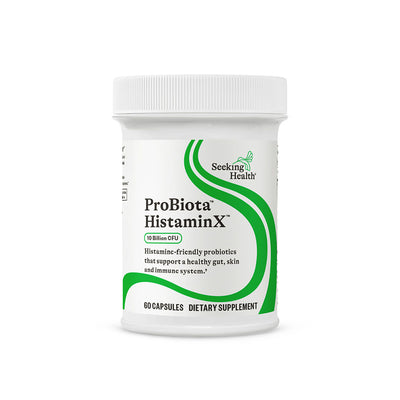
What's Included: ProBiota HistaminX, Bile Nutrients, DAO Enzyme, Gut Nutrients, Dirty Genes: The Histamine Workbook Together, our gut health supplements work to support healthy: † Gut microbiome balance and response to ingested histamine. Bile production, bile flow, and bowel movements. Histamine levels in the small intestines, colon, uterus, bladder, prostate, and breast milk. Digestion, GI barrier, immune system function, and gut lining. Become an active participant in your health and your biggest advocate! You'll receive Dr. Ben Lynch's "Dirty Genes: The Histamine Workbook" as an added bonus. Dr. Lynch created this workbook to be your essential guide to gut health. It provides detailed information about common histamine-related symptoms and triggers. By identifying what affects you personally, you can proactively avoid those triggers and manage your symptoms more effectively to support a healthy histamine response. By reading Dirty Genes: The Histamine Workbook, you'll empower yourself with the knowledge to speak confidently about and take charge of your health. ProBiota HistaminX You need quick-acting DAO enzymes to help your body metabolize histamine and keep histamine levels and inflammation in check. However, you may be one of many who have slower-than-average DAO enzymes, which can cause symptoms like digestive discomfort, a leaky gut, and histamine intolerance. Some probiotics make you feel worse because they produce histamines, causing levels to rise. We designed ProBiota HistaminX to help lessen your DAO enzyme's workload by excluding species that produce histamine, like Streptococcus, L. fermentum, L. casei, and L. bulgaricus.†Suggested Use: As needed, take 1 capsule upon waking and away from food. If needed, capsule may be opened and its contents mixed into a bite of food. Use as directed by your healthcare professional.† Bile Nutrients Your gallbladder is designed to produce bile, which acts as a detergent to break down large fat globules so they can be absorbed into the intestines. If you have a slow gallbladder or have had it removed, bile production may significantly decrease, which can make you feel uncomfortable and unable to eat and digest certain foods. Bile Nutrients is a unique supplement that supports complete and normal fat digestion. It also helps maintain balance in your small intestinal bacteria for optimal digestive comfort.†Suggested Use: For the first three days, take 2 capsules before dinner. Then, take 4 capsules in divided serving sizes before lunch and before dinner. For the best results, use it consistently.† DAO Enzyme If your DAO enzyme isn't working well, you may experience several frustrating symptoms, from bloating and gas to eczema or even nose bleeds. DAO enzyme provides the patented, lab-tested, and pure enzyme called DAOgest®. Once you take a small capsule of DAO enzyme, it breaks open in your small intestine, releasing the DAO enzyme. This enzyme immediately begins digesting histamine from the foods you eat, your gut's immune system, and your microbiome, alleviating the burden on your body.†Suggested Use: As needed, anytime, take 1 capsule before eating or drinking. Alternatively, as needed, take 1 capsule away from food or drink if wanting to support uterine comfort during the menstrual cycle, occasional nausea from pregnancy or healthy histamine levels in your digestive system. Capsules may be opened and sprinkled on a bite of food. Use as directed by your healthcare professional.† Gut Nutrients Supporting the healthy digestion and absorption of nutrients is also one of the most effective things you can do for your immune function. Gut Nutrients include a powerful blend of herbs and nutrients synergistically supporting healthy digestion, GI barrier, and immune system function. It also contains 1.5 grams of L-glutamine per 2-scoop serving, a vital amino acid for supporting a healthy gut lining and energy levels, and 1 gram of citrus pectin to provide bulk to support healthy bowel movements.†Suggested Use: As needed, 30 minutes before breakfast or upon waking, for the first 5 days, mix 1 scoop in 8 oz of filtered water. Sip over 5 minutes. For best results, mix 2 scoops in a liter water bottle, and sip throughout the day. Always use away from food so the ingredients interact directly with your digestive system. For kids age 4 and up, mix a small amount in organic applesauce. Do not use within 3 hours of bedtime as it may interfere with sleep. Use as directed by your healthcare professional.†
Shop Now


Ox Bile
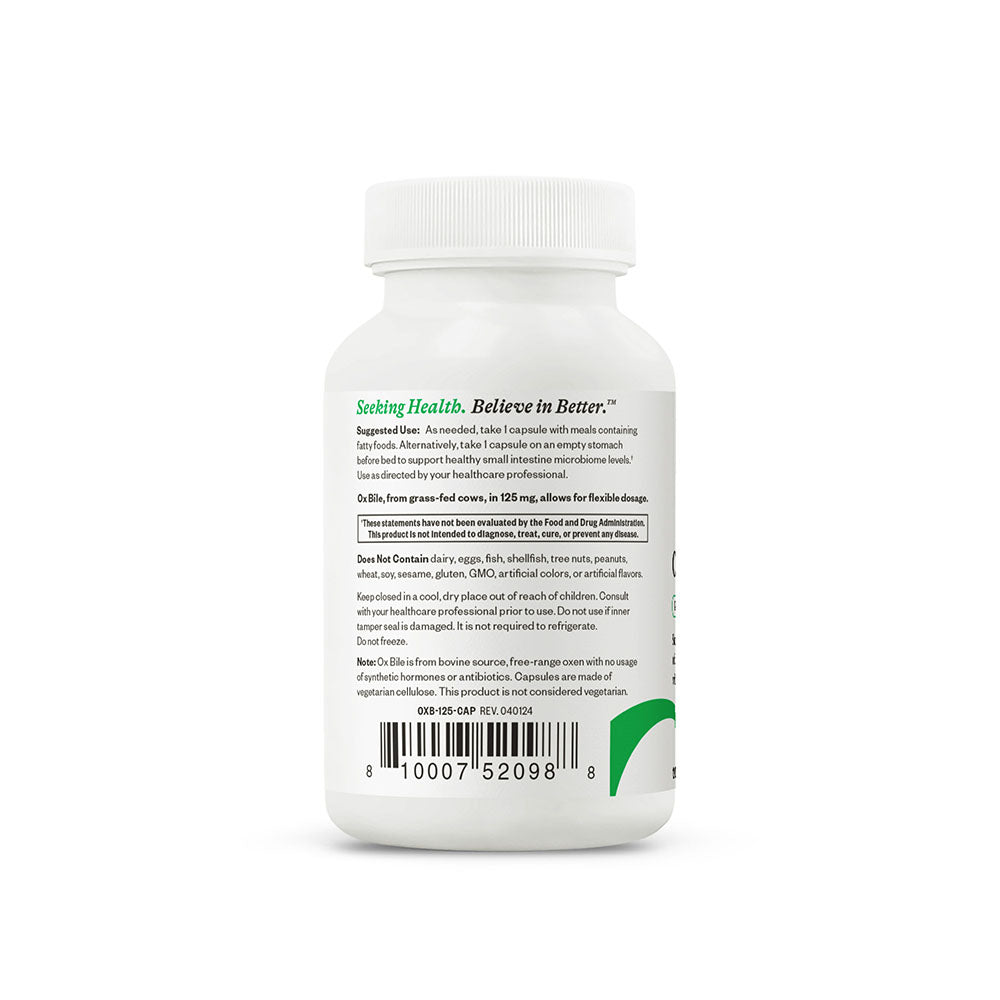
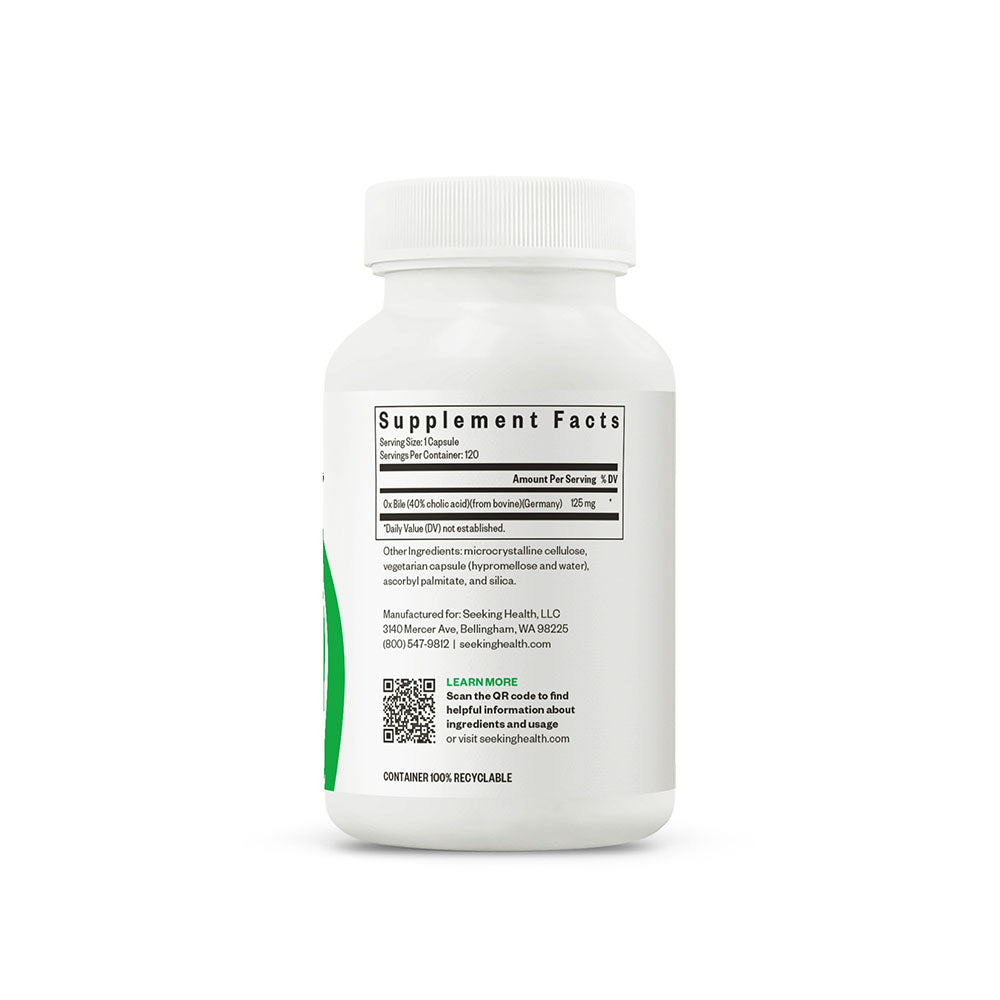
Key Benefits and Actions† Digestion support for dietary fat Support for healthy balance of small intestinal bacteria Great for those with gallbladder removed! Who Needs Ox Bile Do you feel sluggish after eating high-fat meals? Do you experience floating stools that are looser, urgent, or foul-smelling? Have you had your gallbladder removed? Are your gut bacteria imbalanced?A normal functioning gallbladder releases bile to digest fat from meals. At the same time, it also assists in clearing out microbes from the upper intestinal tract.With a low-functioning or removed gallbladder, eating high-fat meals can cause many uncomfortable symptoms: Indigestion Nausea Bloating Heaviness in your right side Right shoulder pain And more Ox Bile provides 125 mg of pure bile from free-range oxen (bovine). It contains 40% cholic acid for efficient and targeted fat digestion support.†Consuming Ox Bile with high-fat meals may lessen your body’s demand for bile. This can lead to lower stress on your liver and gallbladder while supporting the breakdown of dietary fat. Proper fat breakdown is critical for the absorption of fat-soluble vitamins and essential fatty acids from foods.†This ox bile supplement can also be taken away from food to target a healthy balance of microbes in your upper intestinal tract. † An overgrowth of small intestinal bacteria (SIBO) can result in digestive issues like indigestion of nutrients, abdominal pain, loss of appetite, and diarrhea.The pure bile found in Seeking Health’s ox bile supplements is ethically sourced from free-range oxen that are free from synthetic hormones and antibiotics. Get ready to comfortably and confidently enjoy high-fat meals again!† Key Ingredients In Ox Bile Bile (from oxen): Provides bile acids to support the normal break down dietary fats and to support small intestinal bacteria balance† Suggested Use As needed, take 1 capsule with meals containing fatty foods. Alternatively, take 1 capsule on an empty stomach before bed to support healthy small intestine microbiome levels.† Use as directed by your healthcare practitioner. Warnings Do not use if inner tamper seal is damaged. Note: Ox Bile is from bovine source, free-range oxen, with no usage of synthetic hormones or antibiotics. Capsules are made of vegetarian cellulose. This product is not considered vegetarian. Suitable for Bariatric, methyl sensitive, breastfeeding, ages 4 and up Delivery Method Capsules Age Suitability Adults, ages 4 and up How to Store Keep closed in a cool, dry place out of reach by children.
Shop Now


Saccharomyces Boulardii
Key Benefits and Actions† Supports healthy digestion, intestinal absorption, and bowel tone Supports a healthy population and balance of good gastrointestinal tract bacteria Supports gut microbiome health during travel Who Needs Saccharomyces Boulardii Finding the right probiotic supplement can be a challenge. Saccharomyces Boulardii may be right for you if you’re seeking support for:† A healthy intestinal lining Normal digestion Regular bowel movements Normal intestinal microbiota balance A probiotic supplement that doesn’t require refrigeration (great for travel!) Gastrointestinal microbiome health during travel Microbiome health during times of extra stress Saccharomyces boulardii is an acid-resistant, temperature-tolerant probiotic yeast. Its high resistance to temperature changes makes it an ideal probiotic for traveling. In addition, its resistance to pH changes allows its contents to be easily mixed with food or beverages. This makes Saccharomyces Boulardii a great probiotic option for those who have trouble swallowing supplements.† Seeking Health’s Saccharomyces Boulardii contains 5 billion CFUs (Colony Forming Units) in each one capsule serving. Saccharomyces is designed to help support and maintain balance in the intestines. This organism has been shown to compete with nutrition and binding sites with more harmful organisms. It also has been shown to produce proteins that may assist in the processing of toxins produced by potentially pathogenic microbes. The presence of Sacro B in the intestinal tract has been shown to encourage the growth of beneficial organisms as well. The 5 billion CFUs in this probiotic help maintain normal colonic populations of healthful organisms, including bifidobacteria. If you are desiring a probiotic that helps support a normal and healthy intestinal tract, Saccharomyces Boulardii is a logical choice.† There are many different strains of probiotics and it can often be difficult to discern which one is right for you. Many of these probiotic options require refrigeration to maintain the CFU populations. Saccharomyces boulardii has been researched and tested to ensure that it is shelf-stable. This type of probiotic may work well for a busy lifestyle or a person who travels a lot.† This on-the-go lifestyle may also require more gut support as it often includes on-the-go meals or off-schedule meals. It is important to provide healthy support with probiotic strains targeted to support your gut health. Saccharomyces Boulardii supports a healthy gut barrier, intestinal microbiota, and immune system health.† If you’re looking for a new probiotic to support balance in your gut with various healthy microorganisms, Saccharomyces Boulardii may be exactly what your body and your busy lifestyle are seeking.† Choosing the right probiotic and supporting a healthy balance of your microbes is important. Check with your healthcare practitioner if you are unsure. Seeking Health offers multiple options:† Saccharomyces Boulardii provides support for a healthy intestinal tract and digestive function, that is shelf-stable and can be used by travelers. If you are looking to support histamine metabolism, ProBiota HistaminX is your go to. ProBiota Bifidobacterium may be the right choice when seeking additional immune system support. ProBiota Woman is designed for urogenital support. Finding multiple probiotic strains that support your health adds to your microbial balance. Supporting this balance starts in the gut and may, for you, start with Saccharomyces Boulardii.† Key Ingredients In Saccharomyces Boulardii Saccharomyces Boulardii: A beneficial probiotic yeast supplement, which supports your gut microflora during travel, and supports overall healthy bacteria balance in your intestines. † Suggested Use As needed, take 1 capsule with food. Use as directed by your healthcare professional. Warnings Consult with your healthcare practitioner prior to use. Do not use if tamper seal is damaged. Suitable for Bariatric, methyl-sensitive, pregnancy, breastfeeding, vegetarian, vegan, ages 4 and up Delivery Method Capsules Age Suitability Adults, ages 4 and up How to Store Keep tightly closed in a cool, dry place out of reach by children. Refrigeration is not required. Do not freeze.
Shop Now