



You must have a healthy and functional digestive system regardless of what you eat. Without a healthy digestive system, all other systems fail.


How Your Digestion Works
The phrase ‘You are what you eat’ has been around for a long time; although it holds some truth, it oversimplifies the complexities of nutrition and biology.
Your food should be:
- Properly digested
- Full of the nutrients your genes, enzymes, and microbiome need to function well
- Fully absorbed
- Ultimately eliminated - or else you become what you don’t eliminate!


Rather than saying, ‘You are what you eat,’ it’s more accurate to say, ‘You are what you absorb.’
Your digestive system automatically performs these essential tasks for you:
- Absorbs micronutrients (vitamins and minerals)[19][20]
- Absorbs macronutrients (amino acids, carbohydrates and fats)[19][20]
- Eliminates chemicals and waste[20]
- Maintains a healthy immune response[14]
- Protects against harmful bacteria and other pathogens [22] [23]
- Produces fuel for beneficial bacteria[22]
- Regulates hormones[28]
- Influences your mood and mental health (serotonin production)[29]
When your digestive system is not working correctly, various issues occur. These issues often begin mildly and increase in severity:
- Constipation or diarrhea
- Acid reflux
- Skin disorders (eczema, acne)
- Altered taste
- Bloating and gas
- Weight gain or loss
- Always hungry
- Nausea
- Feeling tired after eating
- Food sensitivities
- Frequent belching
- Vomiting
- Undigested food in stools
- Poor appetite
- Geographic tongue and various tongue coatings
- Autoimmune conditions
- Joint discomfort
- Muscle aches
- Cognitive issues
The 3 Phases of Digestion
There are three main phases of digestion:
- The Cephalic Phase
- The Gastric Phase
- The Intestinal Phase
The Cephalic Phase (known as the preparatory phase):
Ever see your dog drooling as you prepare their food? 20% of digestion starts before you take your first bite. Digestion starts with the anticipation of eating, the smells, the appearance of food, and the sounds of it cooking. [19] These activate your body's digestive processes.
When calm and relaxed, your brain activates the parasympathetic nervous system (rest and digest). Being calm and relaxed stimulates salivation and gastric secretions.
Eating when calm and relaxed is essential; otherwise, these secretions literally do not happen.
Chewing breaks down your food. The chewed food mixes with saliva and various enzymes which support the digestive process. [19]


The more you chew your food, the smaller the pieces become. The smaller the pieces, the more surface area there is for digestive enzymes to break it further down. Chewing is exceptionally important—as is eating when relaxed.

The Gastric Phase (where most digestion occurs):
- After swallowing, food moves from the mouth and down the esophagus. Then, it goes to the stomach passively by gravity and actively by a process known as peristalsis. Peristalsis involves rhythmic contractions of smooth muscles that propel food forward along the digestive tract.[19]
- Once food reaches the stomach, it mixes with stomach acid. The stomach acid breaks the food down. The more thoroughly chewed your food, the more stomach acid can digest.
- During this time, histamine is released. Histamine is needed as it stimulates more stomach acid secretion.[31] A healthy stomach should be very acidic, with a pH of 1 to 3. A low pH is essential for activating pepsin. Pepsin is an enzyme that breaks down proteins. Pepsin also aids in absorbing minerals and effectively eliminates harmful microorganisms.[20] Healthy histamine levels should also be present, as stomach acid is not released without histamine.
The Intestinal Phase (where nutrients are absorbed):
- Food travels from the stomach to the small intestine. When food reaches the small intestine, more digestion occurs. The acidic, partially digested food mixes with enzymes, bicarbonate from the pancreas, and bile from the gallbladder. These further break down proteins, carbohydrates, and fats into smaller molecules that can be absorbed.
- Bicarbonate neutralizes the stomach acid, protecting intestinal cells from potential acidic burn damage.
- Nutrients are released from the digested food.
- The nutrients are actively and passively absorbed into the bloodstream.
- Once the nutrients are in your blood, they are transported to all cells throughout your body.
- These absorbed nutrients are used by your cells so they can function in a healthy manner.
- The remaining indigestible parts of the food, such as fiber and waste products, are moved into the large intestine (colon).
- The colon is where water gets absorbed.
- Colonic bacteria ferment fiber and metabolize bile acids.[20]
- Whatever is left forms into stool. Stool formation happens primarily when your colon absorbs water. [19] As the water gets absorbed, the stool becomes thicker and more dense.
- The signal to go to the bathroom occurs when the stool stretches the colon walls.
Constipated? The Importance of ‘Nature’s Call’
No one wants to stop what they are doing to go poop. But here’s why you need to stop the moment you feel pressure down there: Your stool should be 75% water and 25% solid matter. [17] One of the jobs of your colon is absorbing water from the solid matter, which ultimately becomes stool. What do you think will happen the longer you ‘hold it?’ That’s right. More water gets absorbed from the solid matter, making your poop essentially rock hard. Rock-hard poop is significantly harder to pass. Not only is your poop rock hard, it’s now more compact and takes up less volume. Compact poop doesn’t want to come out.
Here’s why you can’t go poop after holding it too long:
The ‘nature’s call’ signal happens because of ‘stretch receptors.’ [18] Stretch receptors literally activate when stretched. This activation signal travels to your brain, telling you to go poop. Ignoring this signal because ‘you’re busy’ means your colon has more time to absorb water. The longer you hold it, the more water comes out of the stool, reducing stool volume and disabling the stretch receptors. This can ultimately lead to a loss of sensation and the brain signal telling you that you need to go poop. This is why you often say, ‘Oh, I no longer need to go,’ after holding it for so long. Well, you do. You just don’t feel that you do.

Each part of your digestive tract releases unique enzymes that aid digestion.
| LOCATION OF PRODUCTION | LOCATION OF ACTION | ENZYMES | WHAT THEY DIGEST |
|---|---|---|---|
Mouth |
Mouth |
Salivary amylase (ptyalin or alpha-amylase) |
Excess histamine increases zonulin levels which results in a leaky gut. |
Stomach |
Stomach |
Pepsinogen, whose active form is Pepsin |
Protein |
Pancreas |
Duodenum (the first part of your small intestine) |
Lipase |
Fats |
Liver |
Released into the duodenum by the gallbladder, where it is stored |
Bile |
Fats |
Small Intestine |
Small Intestine |
DAO Enzymes |
Histamine |
Food Intolerances and The Impact of Enzymes
Intolerance to certain foods means that the enzymes that digest those foods aren't working properly. Reduced enzymatic production and secretion might happen for several reasons, such as:
- Dirty genes (born, such as DAO)
- Dirty enzymes (became dirty due to environment and lifestyle, such as DAO)
- SIBO (small intestinal bacterial overgrowth) [33]
- Liver dysfunction
- Gallbladder dysfunction
- Nervous system dysregulation (chronic stress, previous traumas)
- Inflammation (celiac disease, IBD, IBS, atrophic gastritis, pancreatitis, eosinophilic esophagitis, cystic fibrosis) [20]
- Lifestyle factors (smoking, alcohol consumption, substance abuse)
- Aging (reduced stomach acid)
Nutrient Absorption
| LOCATION | NUTRIENTS ABSORBED | WHY THESE NUTRIENTS ARE IMPORTANT |
|---|---|---|
Mouth |
Glucose: Only 0.05 mg is absorbed at a time, totaling less than 0.1 mg. [30] |
Quick glucose absorption may be necessary in those who experience hypoglycemia related to blood sugar regulation issues. However, glucose must be swallowed and absorbed in the gut to have a significant effect. [30] |
Stomach |
Essential for Vitamin B12 absorption: The stomach produces intrinsic factor, which sets the stage for B12 absorption in the small intestine. |
Intrinsic factor binds to B12 for transportation and absorption. [20] |
Duodenum (beginning of the small intestine) |
Minerals such as iron, phosphorus, magnesium, copper, and selenium
Fat-soluble vitamins (A, D, E, and K) Calcium absorption mainly happens here and is greatly enhanced by Vitamin D’s active form, calcitriol. |
|
Jejunum (middle of the small intestine) |
Carbohydrates Amino acids (from proteins) Fatty acids (from fats) Water-soluble vitamins (B complex - except B12 and vitamin C) Minerals - except most of the iron |
Amino Acids
|
Ileum (last part of the small intestine) |
Vitamin B12 (protected by the stomach’s intrinsic factor) Bile acids Unabsorbed nutrients from the duodenum and jejunum, such as vitamin C |
Vitamin B12: methylation, SAM, nervous system health, DNA synthesis, red blood cell formation, fertility† Vitamin C: collagen, normal wound repair, antioxidant, immune system support† Bile acids: recycled for making bile |
Colon |
Water Some minerals and vitamins |
The colon absorbs approximately 1 to 2 liters (33 to 66 ounces) of water daily. This is to maintain proper hydration and stool consistency. |
Large Intestine (aka the Colon):
The colon is crucial for absorbing water. The colon does not secrete any digestive enzymes and thus does not participate directly in digestion. However, it plays a significant role in a process called fermentation.
Bacteria found in the colon ferment undigested food and complex carbohydrates and fiber.[38]
The purpose and benefits of the bacterial fermentation process include producing vital B vitamins and vitamin K, which are absorbed by the body. This process generates short-chain fatty acids (SCFAs) such as butyrate, propionate, and acetate.
These important SCFAs play significant roles in health and digestion, such as:
Serve as food for the same colonic bacteria
Some species, such as Bifidobacteria, produce acetate that feeds butyrate-producing species, such as Faecalibacterium prausnitzii and Roseburia intestinalis/Eubacterium rectale. [37] Low levels of butyrate-producing species such as F. prausnitzii are associated with inflammation, chronic constipation, and an increased risk of more severe gut conditions such as ulcerative colitis.[22]
Regulate immune processes in the gut
This controls inflammation and protects against the invasion of pathogens.[27] The gut immune system is composed of the gut-associated lymphoid tissue (GALT), which is a component of the mucosa-associated lymphoid tissue (MALT). SCFAs can ‘feed’ B cells, forming part of these immune functions [27]
Shift the gut immune system to one of ‘tolerance’
The SCFA butyrate produced by certain colonic bacteria supports the production of anti-inflammatory IL-10 (interleukin 10) and Treg (T regulatory) immune cells. [22] IL-10 and Treg cells promote balance (homeostasis), and self-tolerance and help prevent autoimmunity and allergies.
Provide fuel for gut cells
This fuel enables cells to repair themselves. The lifespan of the average intestinal cell is only 3-5 days. [24] These cells must be repaired and regenerated continuously so the gut lining doesn’t become more fragile, leaky, or inflamed.
While all SCFAs ‘feed’ gut cells, butyrate is central to a phenomenon called the ‘butyrate paradox.’ Butyrate will feed healthy gut cells but not neoplastic cells. [23] Neoplastic cells are abnormal cells. When allowed to grow and multiply, neoplastic cells may increase the risk of more severe gut conditions such as polyps or tumors. This is one way in which butyrate, and thus balanced colonic bacteria, support a healthy digestive system.

How Stress Affects Digestion
Based on what you're doing, your autonomic nervous system (ANS) is constantly shifting between parasympathetic and sympathetic functions.
When the parasympathetic nervous system is activated, your body enters the ‘rest and digest’ mode, characterized by a state of calm and relaxation. This is the ideal state for food digestion.
Acetylcholine (ACh), the neurotransmitter responsible for this phase, stimulates glandular secretions, including those from digestive glands that produce essential juices and digestive enzymes.
When your sympathetic nervous system is activated, you are in ‘fight or flight” mode. This mode kicks in when your body is focused on escaping a dangerous situation. This could be an actual or a “perceived” dangerous situation.
Contrary to popular belief, stress typically leads to decreased stomach acid production, not an increase. This occurs because:
- Stress diverts blood flow away from the digestive system and towards muscles and the brain to help you prepare for danger (‘fight or flight’ mode).
- Stress reduces the production of digestive enzymes and juices, including hydrochloric acid (HCl). This is because, when you’re in danger, it’s more important to put energy into fighting and running away than it is to digest your food.

Typical scenarios that prevent you from digesting and absorbing nutrients by promoting the ‘fight or flight’ mode include:
- Facing physical or emotional threats from others
- Feeling constantly overwhelmed, frustrated, or out of control
- Feeling excited about something to the point where it may interfere with your sleep
- Being over-stimulated by foods (too much sugar, caffeine)
- Being over-stimulated by drugs (cocaine, LSD, methamphetamines)
- Being over-stimulated by activities (exercise, watching TV, playing video games)
- Being stressed
- Feeling anxious or irritable
- Feeling angry or agitated
| PART OF THE DIGESTIVE TRACK | ‘REST AND DIGEST’ WHAT HAPPENS | ‘FIGHT OR FLIGHT’ WHAT HAPPENS |
|---|---|---|
Mouth |
Salivary alpha-amylase is identical to pancreatic amylase and digests starch into maltose and maltotriose (disaccharides).
|
You absorb more glucose than usual, leading to blood sugar imbalances and weight gain. |
Stomach |
The alkaline food bolus arrives in the stomach. Acetylcholine is released as part of the parasympathetic response. This stimulates histamine and, thus, gastric acid secretion, which allows the pH to drop to an acidic 1-3.
|
Less stomach acid is produced, increasing the pH to 4-5. This impairs proper food digestion, particularly protein, which may result in amino acid deficiencies.
|
Small intestine (duodenum) |
Acidic chyme moves from the stomach to the duodenum. The pancreas releases pancreatic juices containing bicarbonates, and the gallbladder releases bile. Both of these are alkaline substances. |
Due to the less acidic (higher pH) food bolus, the signal for the gallbladder to release bile and the pancreas to release bicarbonate (combined with digestive enzymes) into the duodenum is not as strong. Remember, bile and bicarbonate are released to make the food bolus more alkaline. Because it is already more alkaline than it should be, there is no need for too much bile or bicarbonate to do the job. |
Gallbladder |
Bile is released in response to the acidic chyme and fats in the meal. This allows for healthy fat digestion and absorption of fat-soluble vitamins. |
Less bile is released into the duodenum, which may affect how much fat is digested. Less fat digestion may result in fat-soluble nutrient deficiencies and increased oxalate absorption from food. |

Summary of How Your Mood Affects Digestion
Fight or Flight Mode:
When the sympathetic nervous system takes over, it prioritizes immediate survival needs. This shift causes a general slowdown and problems in digestive processes.
Rest and Digest Mode:
The parasympathetic nervous system is activated, promoting digestion, nutrient absorption, and waste elimination.
The Vagus Nerve
The vagus nerve plays a crucial role in the parasympathetic nervous system (rest and digest). To activate it for better digestion, specific techniques can be employed, such as:
- Slow and controlled breathing
- Long walks
- Practicing relaxation and mindfulness techniques
- Cultivating positive relationships and social connections
- Getting enough quality sleep each night
- Spending time outdoors in nature
- Adequate electrolytes in your diet
- Limiting or avoiding stimulants
Lab Testing
Lab testing is often used by healthcare practitioners to see if your digestion needs some support.
Before running any lab tests to identify a leaky gut, practitioners usually start by carefully checking your symptoms and reviewing your medical history. By understanding your current situation and any past health issues, they can better understand what's going on and decide the next best steps for testing and treatment
| LAB MARKER | WHAT IT MEANS |
|---|---|
Pancreatic Elastase
|
Elastase is a pancreatic enzyme.
|
Fecal Cholesterol
|
Fat derived from food is mostly consumed as cholesterol. Bile has to break down cholesterol into triglycerides.
|
Fecal Triglycerides |
Most dietary fat is composed of triglycerides. Triglycerides have to be broken down by pancreatic lipase enzymes.
|
Fecal Long-Chain Fatty Acids
|
Fecal long-chain fatty acids have to be absorbed in the gut through the intestinal lining.
|
Fat Stain
|
Fat in the stools may indicate steathorrhea.
|
Muscle fibers
|
Stomach acid (HCl) is needed to digest protein.
|
Butyrate
|
Food for colonic bacteria.
|
Acetate
|
Food for colonic bacteria.
|
Propionate
|
Food for colonic bacteria.
|
SIBO
|
Measures the gasses methane and hydrogen formed by organisms in the small intestine. SIBO organisms interfere with digestive enzyme activity, especially disaccharidase enzyme activity.
|
Microbiome Testing
|
Imbalances in gut bacteria (gut dysbiosis) are often associated with digestive enzyme dysfunction.
|
Stop Doing List
-

Gulping your food:
Rushing to eat greatly reduces your ability to digest and absorb the nutrients from your food. Additionally, you’ll struggle with gas, bloating, and reflux.
-
Eating on the run:
Your body is in ‘fight or flight’ mode. You are not producing enough digestive juices and enzymes for proper digestion. Don’t eat in front of the TV or computer, and don’t eat while working or on the run. [34]
-
Drinking cold liquids during mealtimes:
Drinking cold liquids reduces movement of stool when compared to room temperature or warm liquids. This leads to constipation.
-
Drinking hard liquor with meals:
Alcohol, especially hard liquor, can reduce saliva flow by 10-15% per unit of alcohol. Wine and beer, not so much.
-
Certain medications:
Medications, such as PPIs (proton pump inhibitors) or antacids used for reflux, reduce stomach acid production. Long-term use will negatively affect digestion, such as increasing the risk of SIBO. [35] Don’t stop any medications without consulting with your prescribing healthcare practitioner.
-
Ongoing stress:
Stress puts you in a ‘fight or flight’ response, compromising optimal digestion. Avoid unnecessary stressful situations, relationships, or working conditions. [34]

Start Doing List
-

Chew your food properly:
Food should be chewed about 32 times, while harder-to-chew foods, such as steak and nuts, should be chewed about 40 times before swallowing. Try this out: Simply put, chew it until it’s nearly liquid. Take a bite. Put down your utensil. Enjoy what you’re eating. You’ll also save money because you won’t eat as much because you’ll get fuller faster!
-
Stick to regular meal times:
Eating around the same times daily can help regulate your body and, consequently, your digestive system.
-
Eat in a relaxed environment:
This sets your body up for ‘resting and digesting’ mode, responsible for digestive enzyme production. Sit down, maybe with your family or friends, take a deep breath, and enjoy your food. [34]
-
Consume room temperature fluids:
Liquids that are room temperature or warm are less likely to reduce gastric motility. This supports healthy bowel movements.
-
Stimulate digestive juices before a meal:
Drink some apple cider vinegar or lemon juice in water, aloe vera juice, or digestive bitters before meals, especially bigger meals.
-
Manage stress:
This allows for ‘rest and digest.’ You’ll feel calmer, digest your food better, and have fewer digestive symptoms. [34]
-
Start a food diary:
Keeping a record of the foods you eat and any digestive issues you experience afterward can help you figure out which foods might be causing problems. With this information, you can choose dietary options that are better suited to your needs.

References
- [1] Basile EJ, Launico MV, Sheer AJ. Physiology, nutrient absorption. In: StatPearls [Internet]. Treasure Island (FL): StatPearls Publishing; 2024 [cited 2024 Oct 10]. Available from: https://www.ncbi.nlm.nih.gov/books/NBK597379/#:~:text=The
- [2] Patricia JJ, Dhamoon AS. Physiology, digestion. In: StatPearls [Internet]. Treasure Island (FL): StatPearls Publishing; 2024 [cited 2024 Oct 11]. Available from: https://www.ncbi.nlm.nih.gov/books/NBK544242/#:~:text=Chemical
- [3] Riches Z, Stanley EL, Bloomer JC, Coughtrie MWH. Quantitative evaluation of the expression and activity of five major sulfotransferases (SULTs) in human tissues: the SULT “pie.” Drug Metab Dispos [Internet]. 2009 Nov;37(11):2255–61. Available from: http://dx.doi.org/10.1124/dmd.109.028399
- [4] Russo P. Enteropathies of infancy and childhood. Adv Pediatr [Internet]. 2013;60(1):217–61. Available from: http://dx.doi.org/10.1016/j.yapd.2013.04.010
- [5] Robert-Mercier T, Dehoux M, Longrois D, Guglielminotti J. Salivary amylase as a stress biomarker. In: General Methods in Biomarker Research and their Applications [Internet]. Dordrecht: Springer Netherlands; 2014. p. 1–17. Available from: http://dx.doi.org/10.1007/978-94-007-7740-8_31-1
- [6] Mandel AL, Breslin PAS. High endogenous salivary amylase activity is associated with improved glycemic homeostasis following starch ingestion in adults. J Nutr [Internet]. 2012 May;142(5):853–8. Available from: http://dx.doi.org/10.3945/jn.111.156984
- [7] Peyrot des Gachons C, Breslin PAS. Salivary amylase: Digestion and metabolic syndrome. Curr Diab Rep [Internet]. 2016 Oct;16(10):102. Available from: http://dx.doi.org/10.1007/s11892-016-0794-7
- [8] Wikipedia contributors. Phases of digestion [Internet]. Wikipedia, The Free Encyclopedia. 2024. Available from: https://en.wikipedia.org/w/index.php?title=Phases_of_digestion&oldid=1219516243
- [9] Fujihira K, Hamada Y, Yanaoka T, Yamamoto R, Suzuki K, Miyashita M. The effects of water temperature on gastric motility and energy intake in healthy young men. Eur J Nutr [Internet]. 2020 Feb;59(1):103–9. Available from: http://dx.doi.org/10.1007/s00394-018-1888-6
- [10] Enberg N, Alho H, Loimaranta V, Lenander-Lumikari M. Saliva flow rate, amylase activity, and protein and electrolyte concentrations in saliva after acute alcohol consumption. Oral Surg Oral Med Oral Pathol Oral Radiol Endod [Internet]. 2001 Sep;92(3):292–8. Available from: http://dx.doi.org/10.1067/moe.2001.116814
- [11] Brand HS, Bruins ML, Veerman ECI, Nieuw Amerongen AV. Secretion rate and amylase concentration of whole saliva after consumption of beer. Int J Dent Hyg [Internet]. 2006 Aug;4(3):160–1. Available from: http://dx.doi.org/10.1111/j.1601-5037.2006.00171.x
- [12] Singer MV, Leffmann C. Alcohol and gastric acid secretion in humans: a short review. Scand J Gastroenterol Suppl [Internet]. 1988;146:11–21. Available from: http://dx.doi.org/10.3109/00365528809099126
- [13] Tenovuo J, Rekola M. Some effects of sugar-flavored acid beverages on the biochemistry of human whole saliva and dental plaque. Acta Odontol Scand [Internet]. 1977;35(6):317–30. Available from: http://dx.doi.org/10.3109/00016357709064131
- [14] Wiertsema SP, van Bergenhenegouwen J, Garssen J, Knippels LMJ. The interplay between the gut microbiome and the immune system in the context of infectious diseases throughout life and the role of nutrition in optimizing treatment strategies. Nutrients [Internet]. 2021 Mar 9;13(3):886. Available from: http://dx.doi.org/10.3390/nu13030886
- [15] Said HM. Intestinal absorption of water-soluble vitamins in health and disease. Biochem J [Internet]. 2011 Aug 1;437(3):357–72. Available from: http://dx.doi.org/10.1042/BJ20110326
- [16] Kiela PR, Ghishan FK. Physiology of intestinal absorption and secretion. Best Pract Res Clin Gastroenterol [Internet]. 2016 Apr;30(2):145–59. Available from: http://dx.doi.org/10.1016/j.bpg.2016.02.007
- [17] Redirect notice [Internet]. [cited 2024 Oct 21]. Available from: https://www.google.com/url?q=https://www.piedmont.org/living-real-change/what-your-stool-says-about-your-health&sa=D&source=docs&ust=172946210557804 2&usg=AOvVaw1IV7S1VhS3ghuYY5cl_ZGp
- [18] Phillips RJ, Powley TL. Tension and stretch receptors in gastrointestinal smooth muscle: re-evaluating vagal mechanoreceptor electrophysiology. Brain Res Brain Res Rev [Internet]. 2000 Nov;34(1–2):1–26. Available from: http://dx.doi.org/10.1016/s0165-0173(00)00036-9
- [19] Your Digestive System & How it Works [Internet]. National Institute of Diabetes and Digestive and Kidney Diseases. NIDDK - National Institute of Diabetes and Digestive and Kidney Diseases; 2024 [cited 2024 Oct 21]. Available from: https://www.niddk.nih.gov/health-information/digestive-diseases/digestive-system-how-it-works
- [20] Ogobuiro I, Gonzales J, Shumway KR, Tuma F. Physiology, gastrointestinal. In: StatPearls [Internet]. Treasure Island (FL): StatPearls Publishing; 2024 [cited 2024 Oct 21]. Available from: https://www.ncbi.nlm.nih.gov/books/NBK537103/
- [21] Cohen S. If you want to boost immunity, look to the gut [Internet]. [cited 2024 Oct 21]. Available from: https://www.uclahealth.org/news/article/want-to-boost-immunity-look-to-the-gut\
- [22] Zhang Y-J, Li S, Gan R-Y, Zhou T, Xu D-P, Li H-B. Impacts of gut bacteria on human health and diseases. Int J Mol Sci [Internet]. 2015 Apr 2;16(4):7493–519. Available from: http://dx.doi.org/10.3390/ijms16047493
- [23] Salvi PS, Cowles RA. Butyrate and the intestinal epithelium: Modulation of proliferation and inflammation in homeostasis and disease. Cells [Internet]. 2021 Jul 14;10(7):1775. Available from: http://dx.doi.org/10.3390/cells10071775
- [24] Park J-H, Kotani T, Konno T, Setiawan J, Kitamura Y, Imada S, et al. Promotion of intestinal epithelial cell turnover by commensal bacteria: Role of short-chain fatty acids. PLoS One [Internet]. 2016 May 27;11(5):e0156334. Available from: http://dx.doi.org/10.1371/journal.pone.0156334
- [25] Hosmer J, McEwan AG, Kappler U. Bacterial acetate metabolism and its influence on human epithelia. Emerg Top Life Sci [Internet]. 2024 Feb 22;8(1):1–13. Available from: http://dx.doi.org/10.1042/ETLS20220092
- [26] No title [Internet]. [cited 2024 Oct 21]. Available from: https://academic.oup.com/femsle/article-abstract/254/1/116/640397?redirectedFrom=fulltext
- [27] Kim CH. Control of lymphocyte functions by gut microbiota-derived short-chain fatty acids. Cell Mol Immunol [Internet]. 2021 May 13 [cited 2024 Oct 21];18(5):1161–71. Available from: https://www.nature.com/articles/s41423-020-00625-0
- [28] Lee CJ, Sears CL, Maruthur N. Gut microbiome and its role in obesity and insulin resistance. Ann N Y Acad Sci [Internet]. 2020 Feb;1461(1):37–52. Available from: http://dx.doi.org/10.1111/nyas.14107
- [29] Mulcahy N. The important role of serotonin [Internet]. Co-Biome by Microba. 2024 [cited 2024 Oct 21]. Available from: https://www.co-biome.com/education/patient/the-important-role-of-serotonin-in-your-gut/
- [30] Gunning RR, Garber AJ. Bioactivity of instant glucose. Failure of absorption through oral mucosa. JAMA [Internet]. 1978 Oct 6;240(15):1611–2. Available from: http://dx.doi.org/10.1001/jama.240.15.1611
- [31] Vakil N. Overview of Acid Secretion [Internet]. MSD Manual Professional Edition. [cited 2024 Oct 21]. Available from: https://www.msdmanuals.com/professional/gastrointestinal-disorders/gastritis-and-peptic-ulcer-disease/overview-of-acid-secretion
- [32] Déchelotte P, Darmaun D, Rongier M, Hecketsweiler B, Rigal O, Desjeux JF. Absorption and metabolic effects of enterally administered glutamine in humans. Am J Physiol [Internet]. 1991 May;260(5 Pt 1):G677-82. Available from: http://dx.doi.org/10.1152/ajpgi.1991.260.5.G677
- [33] Sarker SA, Ahmed T, Brüssow H. Hunger and microbiology: is a low gastric acid-induced bacterial overgrowth in the small intestine a contributor to malnutrition in developing countries? Microb Biotechnol [Internet]. 2017 Sep;10(5):1025–30. Available from: http://dx.doi.org/10.1111/1751-7915.12780
- [34] Stress and the sensitive gut - Harvard health publishing [Internet]. Harvard Health. 2019 [cited 2024 Oct 25]. Available from: https://www.health.harvard.edu/newsletter_article/stress-and-the-sensitive-gut
- [35] [cited 2024 Nov 2]. Available from: https://www.jnmjournal.org/journal/view.html?uid=1362&vmd=Full
- [36] Holzer P. Taste receptors in the gastrointestinal tract. V. Acid sensing in the gastrointestinal tract. Am J Physiol Gastrointest Liver Physiol [Internet]. 2007 Mar;292(3):G699-705. Available from: http://dx.doi.org/10.1152/ajpgi.00517.2006
- [37] [cited 2024 Dec 18]. Available from: https://academic.oup.com/femsle/article-abstract/254/1/116/640397?redirectedFrom=fulltext
- [38] Holscher HD. Dietary fiber and prebiotics and the gastrointestinal microbiota. Gut Microbes [Internet]. 2017 Mar 4;8(2):172–84. Available from: http://dx.doi.org/10.1080/19490976.2017.1290756
†These statements have not been evaluated by the Food and Drug Administration (FDA). This product is not intended to diagnose, treat, cure, or prevent any disease.
Seeking Health Digestion Support Supplements
Supplements may be the extra support needed, at least temporarily, to manage healthy digestion and clean the ‘dirty genes’ that may be responsible for it.† Here are specific supplements designed to support digestion from different aspects for healthy nutrient absorption and overall well-being:†
Foundation Supplements
If you want to support healthy levels of stomach acid, bile and other digestive enzymes, ensure that they continue to work properly and keep up with the demands of digestion, you may consider supporting yourself with the following supplements:


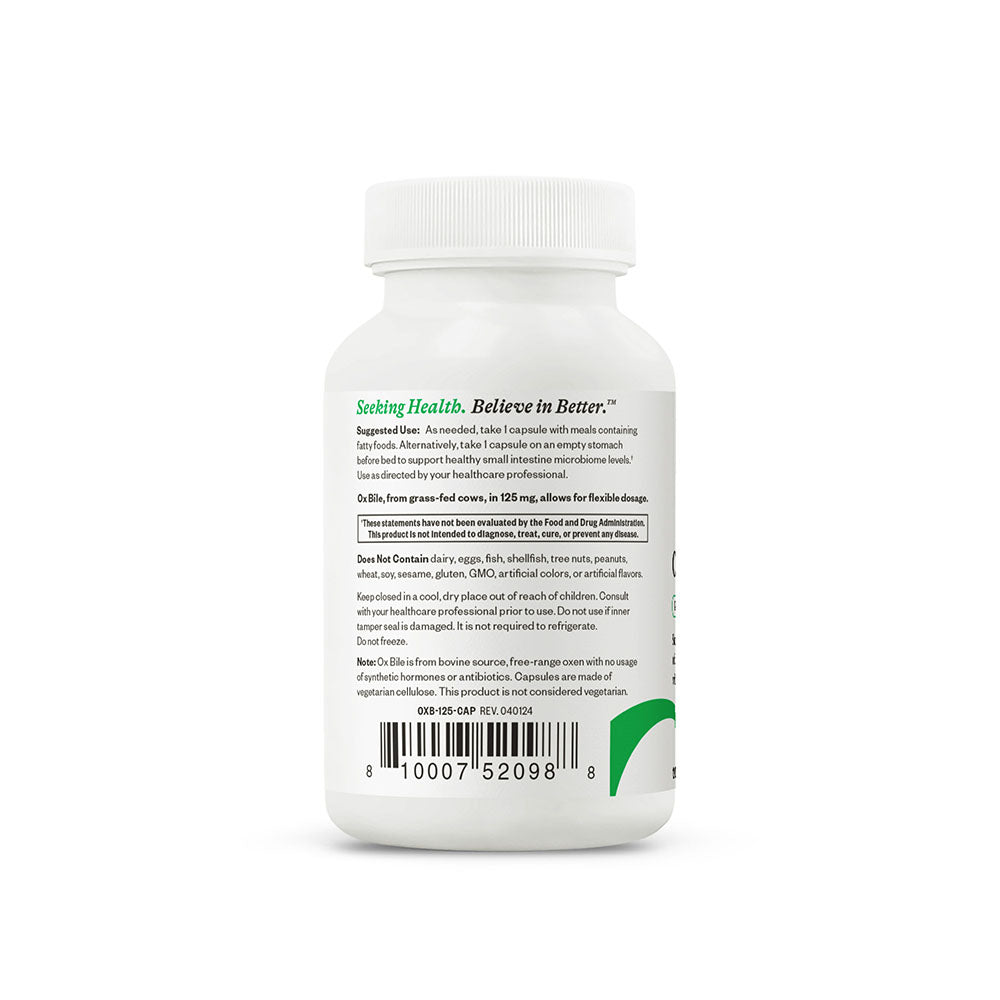
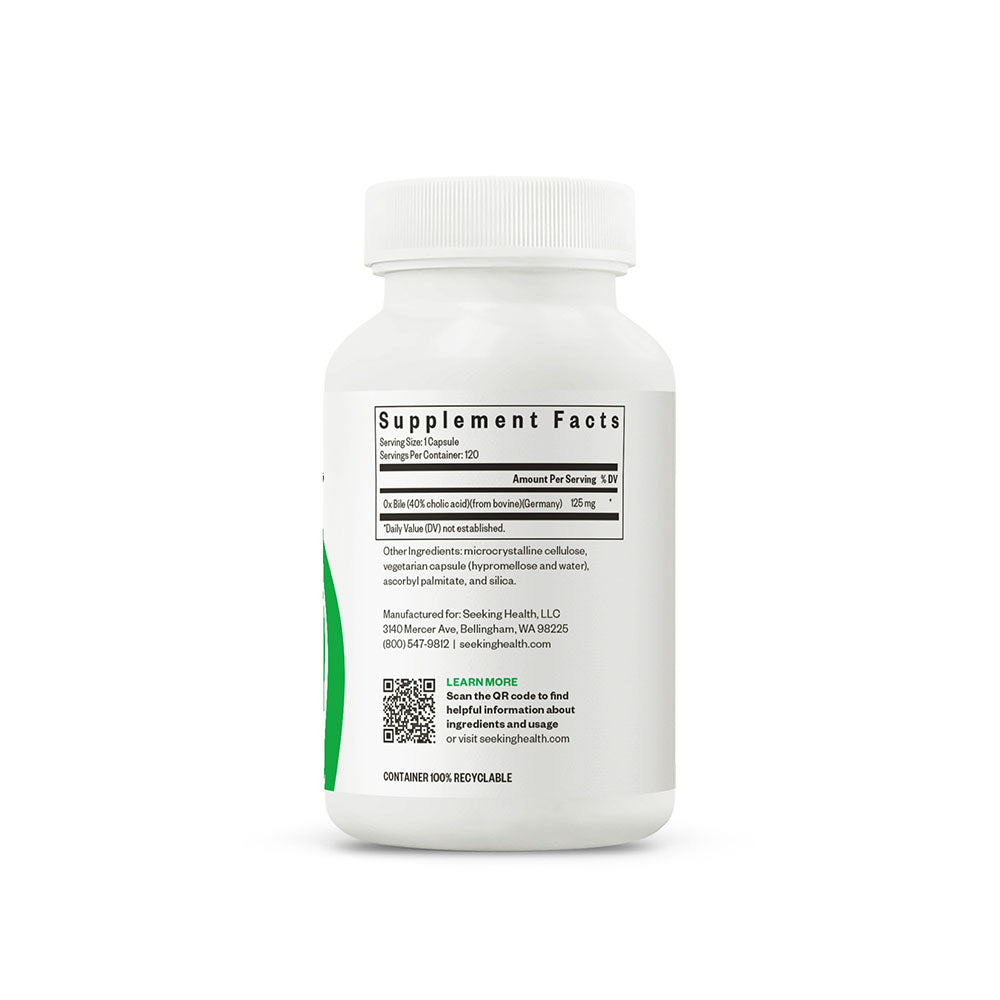


Stress Nutrients
Key Benefits and Actions† Non-glandular adrenal support supplement Synergistic nutrients and herbs for healthy stress responses Supports healthy cortisol regulation and feelings of calm Who Needs Stress Nutrients We all experience stress. If your ability to cope becomes compromised by weak adrenal function, it can lead to a multitude of health concerns. While we cannot stop stress, we can support our body’s innate ability to handle it in a healthy way.† Stress Nutrients is a vegan-friendly adrenal support supplement. Nutrients, plant extracts, and herbs synergistically support adrenal health and a normal stress response.† Stress Nutrients supports healthy adrenal function. This non-glandular formula is vegan-friendly. It features a blend of nutrients and adaptogenic botanicals to help support your adrenal glands normal response to stress. For glandular adrenal support, consider our Adrenal Cortex .† Your adrenal glands need specific nutrients to function at their peak. Vitamin C, zinc, and pantothenic acid (vitamin B5) are known as vital players in adrenal health. The specific plant extracts and adaptogenic herbs in this formula support your immune system, mood, healthy blood sugar levels, and endocrine system (hormones).† Stress Nutrients supports a healthy response to stress by supporting feelings of calmness, balance, and resilience. This unique blend helps to maintain healthy immune responses, mood, and cortisol levels.† When a stressful situation arises, your adrenal glands release the stress hormone cortisol. Its production stops when you are calm again. Repeated exposure to stress can lead to constantly elevated cortisol levels. This can trigger a feedback cycle where the body is stuck in a stress response state. Over time, this can deplete the adrenal glands and lead to adrenal fatigue. This state of weakened adrenal function can disrupt energy production, compromise immunity, and even interfere with nervous system function. Stress Nutrients contains adaptogenic herbs that support healthy cortisol regulation. These include ashwagandha root, Siberian ginseng, American ginseng, rhodiola rosea, and schisandra. Cordyceps are added for their additional adaptogenic properties and to support a healthy immune response.† Adaptogens are like your adrenal’s thermostat. They assist in keeping adrenal levels in healthy and normal ranges. Balanced cortisol levels support adrenal resilience during the day while promoting restful sleep at night.† With the right tools in your toolbox, you can handle anything life throws at you. That all starts with healthy adrenal function. Start supporting your adrenal health today with Stress Nutrients by Seeking Health.† Key Ingredients Inside the Uncompromising Quality of Our Ingredients Vitamin B5 (pantothenic acid) Essential for proper cortisol regulation and adrenal function. It is also a cofactor for the NAT2 enzyme, which metabolizes histamine to acetyl histamine and eliminates it in the urine.† Zinc (Albion®) Supports the healthy and normal functioning of cells responsible for immune response, inflammatory signaling, and oxidative stress. Aids in cortisol regulation and utilization of B vitamins.† Adaptogenic herbs and mushrooms Herbs such as KSM-66® Ashwagandha Extract, Rhodiola rosea, Siberian ginseng, American ginseng, and Schisandra along with the mushroom cordyceps, belong to a category of medicinal plants known as adaptogens. The chemicals within these plants appear to support the body's natural ability to regulate the stress response. They also support overall balance and calibration of mood and energy.† Deglycyrrhizinated licorice (DGL) & Ginger In Chinese health practices, licorice and ginger support defensive Qi. Those needing adrenal support are often low in defensive Qi, or support a healthy immune system leaving them more susceptible to health issues.† Albion® is a registered trademark of Balchem Corporation or its subsidiaries. KSM-66® is a registered trademark of Ixoreal Biomed Inc. Suggested Use As needed, take 1-3 capsules in the morning or as directed by your healthcare professional. Warnings Consult a healthcare professional prior to using. Do not use if tamper seal is damaged. Suitable for Bariatric, methyl sensitive, breastfeeding, vegetarian, vegan, ages 4 and up Delivery Method Capsules Age Suitability Adults, ages 4 and up How to Store Keep closed in a cool, dry place out of reach by children.
Shop Now