






Histamine is a natural chemical that plays a big role in your immune system, sleep, and even digestion. Still, when levels get too high, it can trigger headaches, especially migraines and cluster headaches. Some people have trouble breaking down histamine, a condition called histamine intolerance, which can lead to symptoms like flushing, itching, digestive issues, and head pain. High-histamine foods, like aged cheese, wine, and fermented foods, are common triggers. While there's no single test for histamine intolerance, keeping a food diary and trying a low-histamine diet can help support healthy histamine balance. Supporting gut health, managing stress, and choosing fresh foods are great ways to help your body handle histamine.
What Is Histamine?
Histamine is a natural chemical found in your body. It helps with many important jobs.
For example, it helps support your immune system's health, stomach acid, and even your sleep cycle.(1,2)
When you get stung by a bee or eat something you're allergic to, histamine is released. This causes swelling, redness, and itching. But histamine isn't just about allergies. It also acts as a messenger in your brain, helping to keep you awake and alert.(1,2)
Is There a Link Between Histamine Levels and Headaches?
You might wonder, "Does histamine cause headaches?"
The answer is pretty interesting.
When there's too much histamine in your body, it can trigger headaches, especially migraines.(1,2)
Histamine can make blood vessels in your brain widen. This can cause pain, throbbing, and sensitivity to light or sound.
Scientists have found that people with migraines often have higher levels of histamine in their bodies. This is why some people get headaches after eating certain foods or being exposed to triggers like pollen or strong smells.(1,2)
What Are the Common Types of Headaches Associated with Histamine?
There are a few types of headaches linked to histamine:
- Migraine: These are severe headaches that can last for hours or even days. They often affect one side of the head but can move around, making the histamine headache's location hard to pinpoint.1,2
- Cluster Headaches: These are intense headaches that usually happen around one eye or one side of the head. Histamine can play a role in triggering these attacks.
- Histamine Intolerance Headaches: Some people get headaches because their bodies can't break down histamine properly. This is called histamine intolerance.3
What Are the Symptoms of Histamine Intolerance?
Histamine intolerance happens when your body can't get rid of extra histamine fast enough. This can cause a wide range of symptoms, not just headaches:3,4
- Headaches or migraines
- Flushing or redness of the skin
- Itchy skin or hives
- Stomach pain, bloating, or diarrhea
- Runny nose or sneezing
- A fast heartbeat or feeling dizzy
These symptoms can show up after eating foods high in histamine or when your body is under stress.3,4 However, not everyone will have all these symptoms. Sometimes, headaches—painfully—are the main problem.
Which Foods Are High in Histamine That Could Trigger Headaches?
Some foods naturally contain a lot of histamine or make your body release more. If you get histamine intolerance headaches, these foods might be triggers:2,3
- Aged cheeses (like cheddar, parmesan)
- Fermented foods (sauerkraut, kimchi, yogurt)
- Processed meats (salami, pepperoni, bacon)
- Fish (especially canned, smoked, or pickled)
- Alcoholic drinks (wine, beer, champagne)
- Vinegar and foods with vinegar (pickles, ketchup)
- Tomatoes, eggplant, and spinach
- Chocolate and nuts (sorry!)
But it's not just about what you eat. How fresh the food is can matter, too. The longer food sits, the more histamine it can have!
How Do You Test for Histamine Intolerance?
Testing for histamine intolerance isn't always simple. There's no single test that gives a clear answer. Your healthcare practitioner may use a mix of these methods:3
- Serum Diamine Oxidase (DAO) Test: DAO is the enzyme that helps break down histamine (you can read more about it below). Low levels might mean your body can't handle histamine well.
- Histamine Challenge Test: This test involves eating foods high in histamine and seeing if symptoms appear. It should be done under professional supervision.
- Skin Prick Test: This can show if you react to histamine, but it doesn't prove histamine intolerance by itself.
- Keeping a Food and Symptom Diary: Writing down what you eat and when you get headaches can help spot patterns.
Sometimes, your healthcare practitioner may suggest trying a low-histamine diet for a few weeks to see if your symptoms improve.3
What's the Role of DAO in Headaches?
Diamine oxidase (DAO) is an important enzyme in your body. Its main job is to break down histamine, especially in your gut. If you don't have enough DAO, histamine can build up and cause problems, including headaches.
Studies show that people with migraines often have lower DAO activity than people without migraines. In fact, up to 87% of people with migraines may have DAO deficiency!5
When DAO levels are low, histamine intolerance headaches are more likely to happen. Some research has found that taking DAO supplements may help support histamine tolerance and comfort for some.1,2,†
What Are Some Effective Strategies to Manage Histamine Levels?
If you think histamine and headaches are connected for you, there are ways to support your health:3
- Choose Fresh Foods: Eat fresh meat, fish, fruits, and vegetables. Avoid leftovers and processed foods.
- Limit High-Histamine Foods: Try cutting back on the foods listed above, then slowly add them back one at a time to see which ones cause problems.
- Support Your Gut Health: A healthy gut can help break down histamine. Eating fiber-rich foods and staying hydrated may help.
- Talk to Your Healthcare Practitioner About Your Medications: Some medicines can affect how your body handles histamine. Ask your doctor if any of your medications might be involved.
What Lifestyle Changes Can You Make to Support Healthy Histamine Levels?
Small changes in your daily routine can make a big difference:
- Manage Stress: Stress can trigger histamine release and make headaches worse.2
- Get Enough Sleep: Poor sleep can affect your body's ability to control histamine levels.2
- Exercise Regularly: Gentle exercise can help manage the effects of stress and maintain healthy circulation.
- Stay Hydrated: Drinking enough water helps your body process histamine.
- Avoid Triggers: If you notice certain smells, foods, or activities make your headaches worse, try to avoid them when possible.
Histamine Intolerance Support Supplements by Seeking Health
Explore our collection and support your body's natural histamine balance with products designed for comfort and well-being! Our histamine intolerance support supplements are carefully formulated to help you maintain digestive health, support immune function, and promote overall comfort and wellness. Whether you're starting your journey or fine-tuning your routine, these targeted supplements offer gentle, thoughtful support to help you feel your best every day!†
- Histamine Digest™ is a targeted enzyme supplement that delivers a powerful dose of DAOgest®, a patented diamine oxidase enzyme, to gently support your body's breakdown of food-derived histamine and promote digestive and overall comfort.†
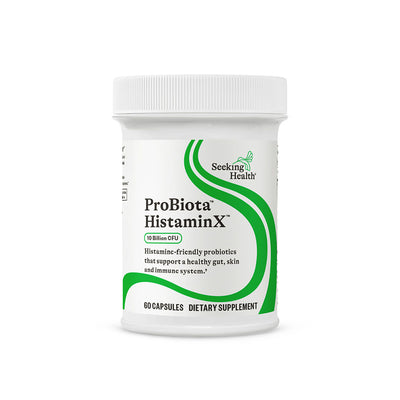
- ProBiota™ HistaminX™ contains a carefully selected blend of seven histamine‑friendly strains that help nurture a balanced microbiome, support healthy digestion, and underpin immune and skin comfort, without strains known to produce excess histamine. Learn more with our how-to guide!†
- Histamine Nutrients contains a blend featuring DAOgest® along with cofactors like zinc, riboflavin, copper, SAMe, and antioxidants to help your body smoothly process histamine and its byproducts throughout the day and night!†
- HistaminX is a targeted formula for immune health and seasonal comfort. It features herbal and plant-derived compounds that synergistically support healthy inflammatory responses.†
The Bottom Line
Histamine is a powerful chemical in your body that does many important jobs. But when histamine levels get too high, they can trigger headaches, especially if you have a histamine intolerance. These headaches can show up in different places, making them hard to predict.
Watching what you eat, managing stress, and making healthy lifestyle choices can help support your body's ability to handle histamine. If you think histamine and headaches are linked for you, talk to your healthcare practitioner. They can help you figure out the best ways to support your health.
Remember, everyone is different—what works for one person may not work for another. Listening to your body is the first step toward feeling healthy!
References:
- https://pubmed.ncbi.nlm.nih.gov/29475774/
- https://pubmed.ncbi.nlm.nih.gov/28624934/
- https://pubmed.ncbi.nlm.nih.gov/38674909/
- https://pubmed.ncbi.nlm.nih.gov/35327646/
- https://pubmed.ncbi.nlm.nih.gov/28624934/
†These statements have not been evaluated by the Food and Drug Administration (FDA). This product is not intended to diagnose, treat, cure, or prevent any disease.


