





How to actually restore acetylcholine and get off nicotine for good
KEY TAKEAWAYS
- The protocol has four phases. Jumping to the cholinergic support phase without phases one and two is the most common reason people try supplements and get nowhere.
- Phase one is foundation. Before adding anything that pushes methylation or acetylcholine production, stabilize the biological environment. This prepares the system to receive what comes next.
- Phase two is methylation. Homocysteine above 10 directly impairs the enzyme that makes acetylcholine and accelerates the enzyme that destroys it. You cannot outrun that with choline supplements.
- Phase three is cholinergic support. Precursors and AChE inhibitors must be added together. Choline alone gets destroyed too fast. AChE inhibitors alone have nothing to protect if production is still low.
- The Pulse Method is not optional. Cycling your supplements on and off is how you learn what your own deficit feels like, prevent tolerance, and know when you are genuinely recovering.
- Do not force the nicotine taper. Wait until the cholinergic foundation is established. Then let the craving guide you. When it fades without effort, that is the real sign the deficit is closing.
- Recovery has specific signs. Vivid dreams returning, bowel regularity improving, and morning clarity are often the first to appear. The nicotine craving fading on its own is the last.
If You're Here, Something Has Not Worked Yet
You read Part 1 of this series and recognized yourself. You read Part 2 and understood why. Now you want to know what to actually do.
Some of you have already tried things. A choline supplement that did not seem to do much. B vitamins that helped a little but not enough. Maybe you reduced the nicotine pouches for a week, felt worse, and went back. None of that means the approach was wrong. It means the sequence was off.
Restoring acetylcholine production is not about picking the right single ingredient. It is about working through a specific order of phases, where each one prepares the ground for the next. Skip a phase or rush through it, and the later phases underperform.
This article walks through the full protocol in the order it should be applied. It tells you what to look for at each stage, how to know if it is working, and how to handle the nicotine question without making it harder on yourself than it needs to be.
Protocol Overview
| Phase | Name | What to Take† | Why | Duration |
|---|---|---|---|---|
| 1 | Foundation | Hydration, electrolytes, magnesium, creatine 3-5g, S-acetyl glutathione, fish oil with lipase | Frees SAM, balances oxidative load, prepares the system to receive methylation support† | 1-2 weeks minimum |
| 2 | Methylation | B2 first, then folinic acid, then hydroxocobalamin or adenosylcobalamin, P-5-P, TMG if needed | Supports healthy homocysteine levels. Until Hcy is below 10, ChAT is being impaired and AChE is elevated | 4-8 weeks. Retest Hcy. Target: 7 umol/L |
| 3 | Cholinergic Support | Alpha-GPC or citicoline, B5, acetyl-L-carnitine, huperzine A (cycled), Bacopa BacoMind, Cereboost | Supplies the raw material, protects it from AChE destruction, and supports receptor sensitivity | Ongoing. Pulse method throughout. |
| 4 | Taper | Reduce methylation support, then nicotine support. Choline last. | As production restores, scaffolding becomes unnecessary. Brain takes over. | Patient-guided. Nicotine craving fading = the green light. |
Phase 1: Build the Foundation First
Start with this, today, before buying a single supplement.
Switch from nicotine pouches to a patch. You can get the nicotine patches from any drug store or online. Stop the nicotine pouches now. Pouches create a fast spike in blood nicotine that drives receptor desensitization. That process works directly against everything this protocol is trying to build. The patch delivers nicotine slowly and steadily across the day. That difference in delivery is not minor. It is the difference between a signal that keeps damaging the receptor and one that holds it stable while you rebuild.
Match the patch potency to the pouch strength you have been using. Apply it in the morning. Keep it on all day. Remove it before bed. Sleeping with the patch disrupts sleep and increases the risk of vivid or disturbing dreams.
That is the first move. Now the supplements.
The most common mistake is starting with the interesting stuff. People read about huperzine A or Alpha-GPC and go straight there. Then they wonder why nothing happened or why they felt worse.
The reason is that your biological environment has to be stable enough to receive support. If oxidative stress is high, methylation is depleted, and hydration is poor, adding cholinergic precursors creates demand your system cannot meet.
Phase 1 addresses that first.
What to add in Phase 1
Hydration and electrolytes come first. Every methylation enzyme requires water. Patients with lingering effects from illness, and many people with chronic cognitive symptoms, are often chronically dehydrated without knowing it. Sodium, potassium, magnesium, and creatine are all necessary for effective hydration.†
Creatine at 3 to 5 grams per day may seem unrelated to brain chemistry, but it is one of the most important first steps. GAMT, the enzyme that synthesizes creatine, consumes 40 to 70% of the body's available SAM.1 SAM is also what drives the methylation reactions that lower homocysteine. When you eat creatine rather than making it, you free SAM for everything else. This is especially important for vegans and vegetarians who synthesize 100% of their creatine endogenously.†
Magnesium calms NMDA receptor overstimulation from elevated homocysteine and supports the MAT1 enzyme that produces SAM. The right form depends on your primary symptom. Magnesium malate is the safest starting point for most people. Magnesium threonate crosses the blood-brain barrier and supports cognitive function specifically. If homocysteine is elevated, magnesium taurate is preferred because taurine adds a second mechanism of NMDA inhibition.†
S-acetyl glutathione at a low starting dose protects the ChAT enzyme. ChAT is sensitive to oxidative stress. When the cell is in an oxidized state, ChAT activity drops regardless of how much choline is present.2 Glutathione also protects B12 from oxidation. Low glutathione is one of the reasons B12 supplementation sometimes fails to support healthy homocysteine levels.†
Fish oil with a lipase enzyme provides DHA for membrane fluidity, which is required for vesicle function and cholinergic transport. DHA also independently supports balance of AChE activity in the brain.3 The lipase is included because APOE4 carriers have impaired fat absorption and many people do not break down fish oil effectively without it.†
Do not start methylfolate yet. This is the most important instruction in Phase 1. Sensitive patients react to methylfolate started cold with high levels of nervousness, sleep issues , and irritability. The foundation phase prepares the system to receive it.
Duration: one to two weeks minimum. Allow creatine to establish and SAM demand to come down before moving to Phase 2.
Phase 2: Fix Methylation and Lower Homocysteine
This is the phase most people skip, and it is the one that determines whether everything else works.
The target for homocysteine is 7 micromol/L. Not the lab's reference range of below 15, which was set for cardiovascular risk, not neurological protection. A 2023 study of patients recovering from COVID-19 found that every 1 micromol/L rise in homocysteine corresponded to a 0.765-point drop on the Montreal Cognitive Assessment.⁴ Your doctor almost certainly has never tested it.
The frustration worth knowing
Folic acid is the synthetic form of folate added to enriched grain products in the United States since 1998. It is also the form in most standard B-complex supplements.
Humans cannot convert folic acid efficiently.⁵ Unmetabolized folic acid accumulates in the bloodstream and can actually block folate receptors. This is the opposite of helpful. If you have been eating fortified grains and taking a standard B-complex for years, you may have been actively undermining your own methylation cycle.
The correct methylation sequence
Step 1: Riboflavin (B2) first. B2 is the FAD cofactor that stabilizes the MTHFR enzyme structurally. It is the most upstream and lowest-risk intervention. You cannot overdrive methylation with B2 alone. Start here regardless of your MTHFR status.†
Step 2: Folinic acid, not methylfolate. Folinic acid is a reduced form of folate that does not require MTHFR to convert. It is gentler than 5-MTHF and carries a lower risk of the overmethylation reactions (anxiety, insomnia, irritability) that stop many people in their tracks. A 2023 RCT found that people with MTHFR 677CT actually reduced homocysteine more effectively with folinic acid than with L-methylfolate.⁶†
Step 3: Hydroxocobalamin or adenosylcobalamin, not methylcobalamin. Hydroxocobalamin is the universal-donor form. The body converts it to methyl-B12 or adenosyl-B12 as needed rather than forcing the methyl cycle directly. Adenosylcobalamin supports mitochondrial function through the methylmalonyl-CoA pathway. In sensitive patients, methylcobalamin can overstimulate the methyl cycle before the foundation is stable enough.†
Step 4: P-5-P at 25 to 50 mg per day supports the CBS enzyme and the transsulfuration pathway, which diverts homocysteine toward glutathione rather than allowing it to accumulate. This is the exit ramp.†
Add TMG only if homocysteine remains elevated after steps 1 through 3. TMG (trimethylglycine) drives remethylation through the BHMT pathway, which bypasses MTHFR entirely. It is effective but should not be the first step.†
Retest homocysteine after four to six weeks. The goal is 7 to 9 micromol/L before advancing. Do not move to Phase 3 with homocysteine still above 10.
Phase 3: Cholinergic Support — Precursors and Protection Together
Part 2 of this series explained why choline alone does not work. The short version: even if you increase production, AChE destroys it too fast to have a meaningful effect. Phase 3 addresses both simultaneously.
What to add for production
Alpha-GPC is the most bioavailable form of choline for the brain. It crosses the blood-brain barrier effectively and delivers choline directly to cholinergic neurons. This is the preferred source.
Vitamin B5 is the cofactor for acetyl-CoA production in the mitochondria. Without it, the choline has nothing to combine with. This is the bottleneck most people never address. Adding B5 alongside Alpha-GPC directly targets the second input in the production chain from Part 2.†
Acetyl-L-carnitine shuttles acetyl groups from the mitochondria and provides an additional source of acetyl-CoA. It also has independent neuro supportive effects in the hippocampus.†
What to add for protection
Huperzine A at 50 to 100 micrograms is the most potent natural AChE inhibitor. It crosses the blood-brain barrier and immediately gets to work.⁷ It is more potent than galantamine and rivastigmine at equivalent doses.†
Mandatory cycling: such as one day on, one day off, or two days on, two off, or three on and two off. This is not optional. Continuous use of any AChE inhibitor, natural or pharmaceutical, raises acetylcholine to the point where nicotinic receptors downregulate to protect themselves. That is the same problem nicotine created. The Pulse Method (see below) applies here specifically.
Bacopa monnieri, standardized as BacoMind at 300 mg per day, does something no other compound on this list does. It both inhibits AChE and activates ChAT, the production enzyme.⁸ It is the only natural ingredient that supports both sides of the acetylcholine equation simultaneously. Effects are cumulative over weeks, not acute.†
American ginseng, standardized as Cereboost at 100 to 200 mg, provides indirect AChE inhibition and upregulates acetylcholine neurotransmission through a mechanism distinct from direct AChEIs.⁹ Cognitive support is are measurable within one to six hours. Well tolerated long-term.†

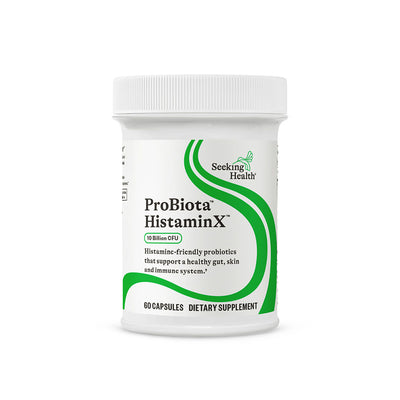
Seeking Health formulated Optimal Focus specifically around the Phase 3 cholinergic support stack. It includes Alpha-GPC, BacoMind, Cereboost, and huperzine A in the doses used in clinical research. If you are building this protocol one product at a time, Optimal Focus covers the Phase 3 cholinergic layer.†
The Pulse Method: How to Know What Is Actually Working
Most protocols tell you to take something every day and wait to see if you feel better. This one does not. And the reason matters.
Continuous supplementation masks your baseline. You stop being able to tell what you actually need because you never experience what you feel like without it. This creates dependency that has nothing to do with the biology and everything to do with never learning your own signal.
The Pulse Method is straightforward. Take your Phase 3 supplements for one day. Stop completely the next day. Notice how you feel at baseline. Restart. Stop again. Notice the gap between on-days and off-days.
Three things come out of this.
You learn your own deficit. The difference between how you feel on a supplement day versus an off-day is direct feedback about what that pathway was doing. Many people have never felt that contrast because they never paused.
You prevent tolerance and receptor downregulation. This is critical for huperzine A specifically. Every day of continuous use moves you closer to the same problem nicotine created: the receptor starts ignoring the signal.
You know when you are genuinely recovering. As production restores, off-days start to feel closer to on-days. When the gap closes, your brain is doing the work itself. That is the signal to begin the taper.
Reading the side effects correctly
Muscle cramps, loose stools, vivid dreams that feel too intense, irritability: these are not signs the protocol is wrong. They are signs the dose is now too high for where you are in recovery. Your acetylcholine levels came up. Reduce the AChE inhibitor first. Extend the off-days. If the symptom resolves, you have confirmation that the protocol was working and that you overshot.
The Nicotine Question: Do Not Force the Taper
People want to know when to stop the nicotine. The honest answer is: it depends on how you are feeling.
Pulling nicotine before the cholinergic foundation is established creates a gap. The brain loses partial receptor activation before it has the production capacity to replace it. Symptoms return. Many people interpret this as evidence that the protocol is not working, give up, and go back to higher doses.
There is no fixed timeline for when to start reducing. The signal is a full day where you feel genuinely good after starting Phase 3. When that happens, the taper can begin.
A few practical guidelines:
Continue using a nicotine patch through Phases 1 and 2. Stop nicotine pouches now. Pouches create fast blood nicotine spikes that accelerate receptor desensitization. The patch delivers a slow, sustained level that does not drive the same cycle.
Once you have had that good day on Phase 3, start reducing. Decrease by roughly 50% every two weeks. Do not cut the patch. Cutting alters the delivery rate. Instead, cover half the patch with medical tape before applying it to your skin. You may need to tape the edges down as the adhesive surface reduces. The lowest available patch dose is 7 mg.
The pace is guided by symptoms, not the calendar. If a 50% reduction brings symptoms back and they do not resolve within a few days, hold that dose for another two to three weeks.
The most important instruction is what not to do. Do not monitor the craving and try to willpower through it. That is not how this ends.
This is how it ends. One day you notice you have not thought about the nicotine patch in a few hours. Then a full day passes. Then you realize the craving is not there the way it used to be. You did not fight it. The underlying deficit closed and the brain stopped reaching for the substitute.
That organic reduction, without effort, without counting days, is the most reliable sign the protocol is working.
What Recovery Looks and Feels Like
| Sign | What It Means | Timeline |
|---|---|---|
| REM sleep returning | Vivid dreams are back. You wake up remembering them. | Days to weeks |
| Bowel regularity | Often the earliest change. | Days to weeks |
| Morning clarity | You wake up and your brain is on. | Days to weeks |
| Memory holding across the day | Information stays with you longer. | Days to weeks |
| Mood stabilizing | Less volatility. Emotional range returns. | Days to weeks |
| Nicotine craving reducing without effort | The most reliable sign the underlying deficit is closing. | Variable. Do not force it. |
The sequence matters. Bowel regularity and REM sleep are often the earliest signs because they reflect M3 and brainstem cholinergic recovery respectively. Cognitive clarity takes longer for some people. Many experience changes the same day Phase 3 starts. The nicotine craving is last.
Track REM sleep with a wearable if you have one. An Oura Ring or Garmin gives you REM percentage per night. Target above 20% of total sleep time as REM. When that number starts rising and holding, cholinergic recovery is underway.
Get the Data You Need to Guide This
You can run this protocol without any testing. Most people do. The four phases work regardless of whether you know your homocysteine level or your genetic status.
Lab testing answers the questions that come up when progress stalls or when you want to understand why you responded the way you did. Two tests are worth knowing about.
Homocysteine is a standard plasma draw. Your doctor can order it. Ask for it specifically. The target is 7 micromol/L. Most labs flag anything below 15 as normal. That reference range was set for cardiovascular risk, not neurological protection.
MTHFR status comes from a genetic test. If you have already done 23andMe or AncestryDNA, you have the raw data. StrateGene generates a personalized report that maps your MTHFR C677T, MTHFR A1298C, and related variants directly to the pathways covered in this series, with prioritized recommendations rather than a list of flagged genes to figure out on your own. StrateGene does not report APOE as a genetic counselor is recommended. That said, many companies do report APOE without a genetic counselor.
The Bottom Line
Acetylcholine is not a mystery. Your brain knows how to make it. It has been making it your entire life - but possibly in significantly insufficient amounts. What changed is that one or more inputs ran low, the destruction enzyme accelerated, or a combination of genetic disadvantages that were always there finally met a physiological demand they could not handle.
Nicotine told you something was wrong. It pointed at the right system. It just could not fix it.
The protocol in this article works through the actual production pathway from the ground up. It does not manage symptoms. It restores the system. When that happens, the brain stops reaching for substitutes because it no longer needs them.
Your genes are not a sentence. They are information. And now you have enough of it to do something about this.
Series Complete
- Part 1: Why Zyn Makes You Feel Sharp and Why That Is a Problem
- Part 2: Why You Are Low on Acetylcholine and Why Taking Choline Alone Will Not Fix It
- Part 3: How to Actually Restore Acetylcholine and Get Off Nicotine for Good
References
Wyss M, Kaddurah-Daouk R. Creatine and creatinine metabolism. Physiol Rev. 2000;80(3):1107-1213. https://pubmed.ncbi.nlm.nih.gov/10893433/
Milatovic D, Zaja-Milatovic S, Gupta RC et al. Oxidative damage and neurodegeneration in manganese-induced neurotoxicity. Toxicol Appl Pharmacol. 2009;240(2):219-225. PMID 19632253. [Note: ChAT redox sensitivity is documented across multiple mechanistic studies; specific human RCT data on GSH and ChAT activity is limited.]
Gamoh S, Hashimoto M, Hossain S, Masumura S. Chronic administration of docosahexaenoic acid improves the performance of radial arm maze task in aged rats. Clin Exp Pharmacol Physiol. 2001;28(4):266-270. PMID 11251633. [animal model]
Celik Y, Akdag Kose D, Tumkaya L et al. High homocysteine levels are associated with cognitive impairment in patients who recovered from COVID-19. Nutrients. 2023;15(3):503. PMC10056581.
Frosst P, Blom HJ, Milos R et al. A candidate genetic risk factor for vascular disease: a common mutation in methylenetetrahydrofolate reductase. Nat Genet. 1995;10(1):111-113. PMID 7647779.
Florou E, Mazokopakis EE, Papadomanolaki MG, Papadakis JA. The effects of folinic acid and L-methylfolate supplementation on serum total homocysteine levels in healthy adults. Clin Nutr ESPEN. 2023;58:14-20. PMID 38056998.
Rafii MS, Walsh S, Little JT et al. A phase II trial of huperzine A in mild to moderate Alzheimer disease. Neurology. 2011;76(16):1389-1394. PMC3269774. https://pubmed.ncbi.nlm.nih.gov/21502597/
Morgan A, Stevens J. Does Bacopa monnieri improve memory performance in older persons? Results of a randomized, placebo-controlled, double-blind trial. J Altern Complement Med. 2010;16(7):753-759. PMID 20590480.
Scholey AB, Ossoukhova A, Owen L et al. Effects of American ginseng (Panax quinquefolius) on neurocognitive function: an acute, randomised, double-blind, placebo-controlled, crossover study. Psychopharmacology. 2010;212(3):345-356. PMC2952762.
† This content is for educational purposes only and has not been evaluated by the Food and Drug Administration. It is not intended to diagnose, treat, cure, or prevent any disease.


